Our recent study co-authored by researchers at Bright Giant, FSU Jena, Leiden University and Oncode Institute introduces a major leap forward in affinity selection screening for early drug discovery: Self-Encoded Libraries. Our approach uses advanced mass spectrometry to screen hundreds of thousands of small molecules in a single experiment, bypassing the significant limitations of traditional high-throughput screening as well as affinity selection with barcoded libraries. It allows drug discovery teams to identify high-affinity drug candidates faster, more affordably, and against targets previously inaccessible to common screening methods.
News
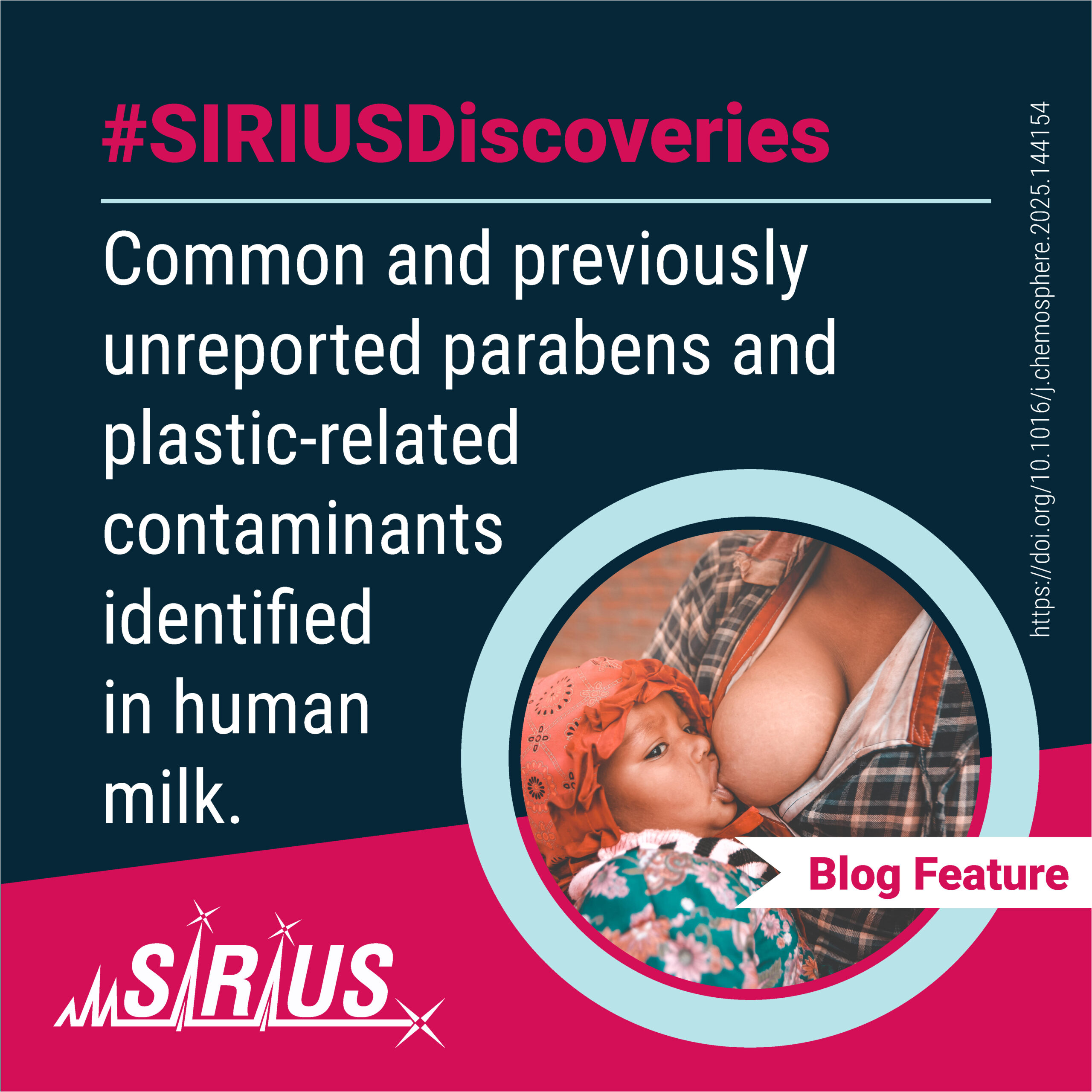
Uncovering Hidden Contaminants in Human Milk
Human milk is the ideal source of nutrition for infants, but growing concerns exist about the presence of chemical contaminants that can find their way into it. For years, scientists have relied on targeted analysis, a method that can only find what they are already looking for. In this non-targeted approach utilizing SIRIUS, researcher successfully identify common and previously unreported chemical contaminants and gain a more comprehensive understanding of the chemical exposures mothers and infants face.
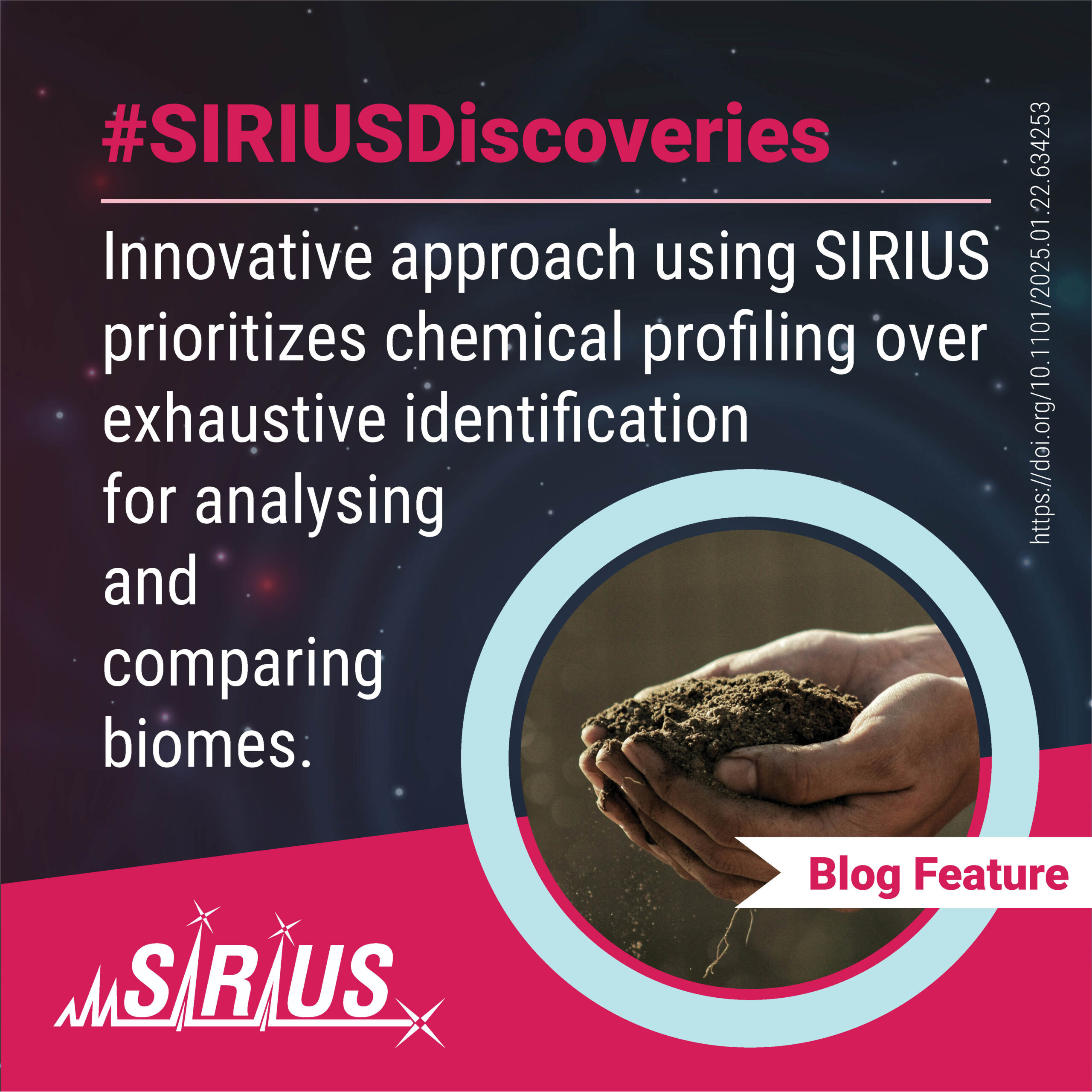
Mapping the Chemical Space of Biomes Using SIRIUS
Untargeted mass spectrometry is a powerful tool for analyzing the immense chemical complexity of natural environments. However, interpreting such large datasets remains a significant challenge. To overcome this, researchers have developed an innovative approach using SIRIUS that prioritizes chemical profiling over exhaustive identification. This method allows for more effective comparisons of (micro-)biomes, providing deeper insights into biochemical diversity across different environments.
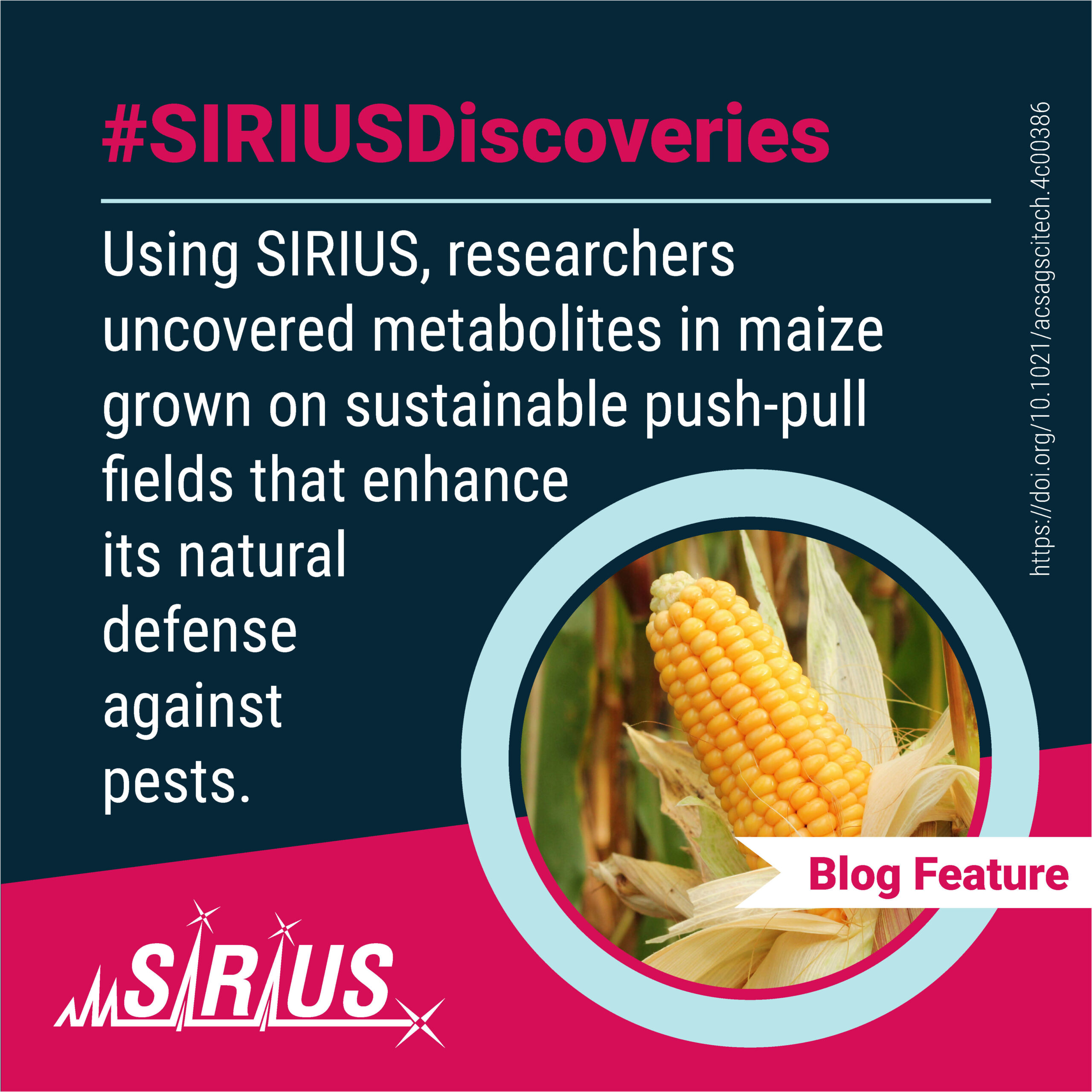
Sustainable Pest Control Investigated with SIRIUS
Agriculture has always been a dance with nature, requiring farmers to constantly adapt to changing conditions. One particularly promising method that has emerged over recent decades is push-pull technology, a strategy that uses nature’s own defenses to protect crops and boost yields. Using SIRIUS, researchers uncovered metabolites in push-pull maize that enhance its natural defense against pests.
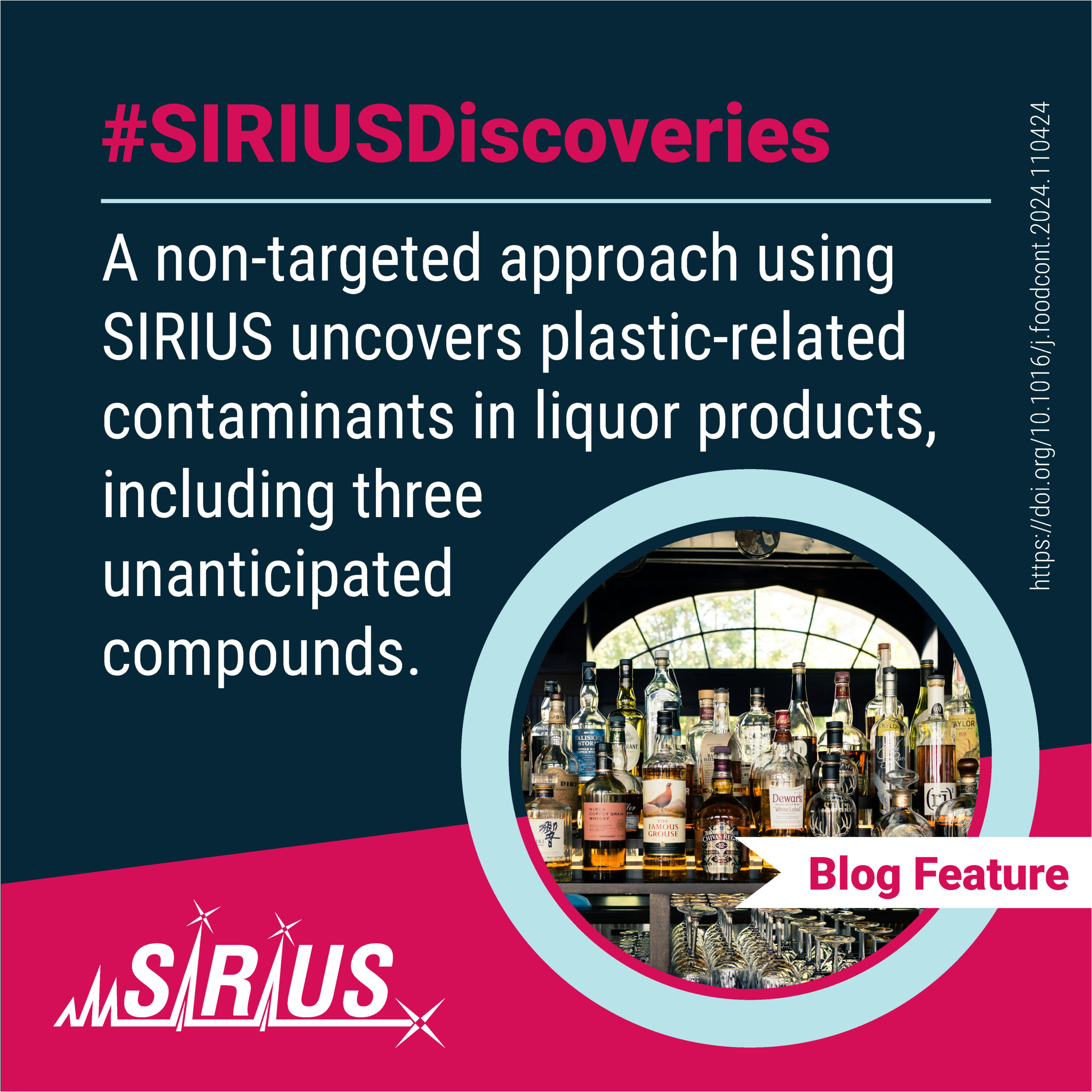
Screening extractables and leachables with SIRIUS
In a world where we’re becoming increasingly conscious of what we consume, understanding the potential presence of unexpected extractables and leachables in our food and drinks is paramount. Alcoholic beverages are of particular concern due to their increased affinity and extended storage periods. A non-targeted approach to analysis is essential for uncovering both known and unknown contaminants in our drinks. By analysing fragmentation patterns, SIRIUS predicts chemical structures of unknowns to identify unexpected contaminants and ensure safety of our food.
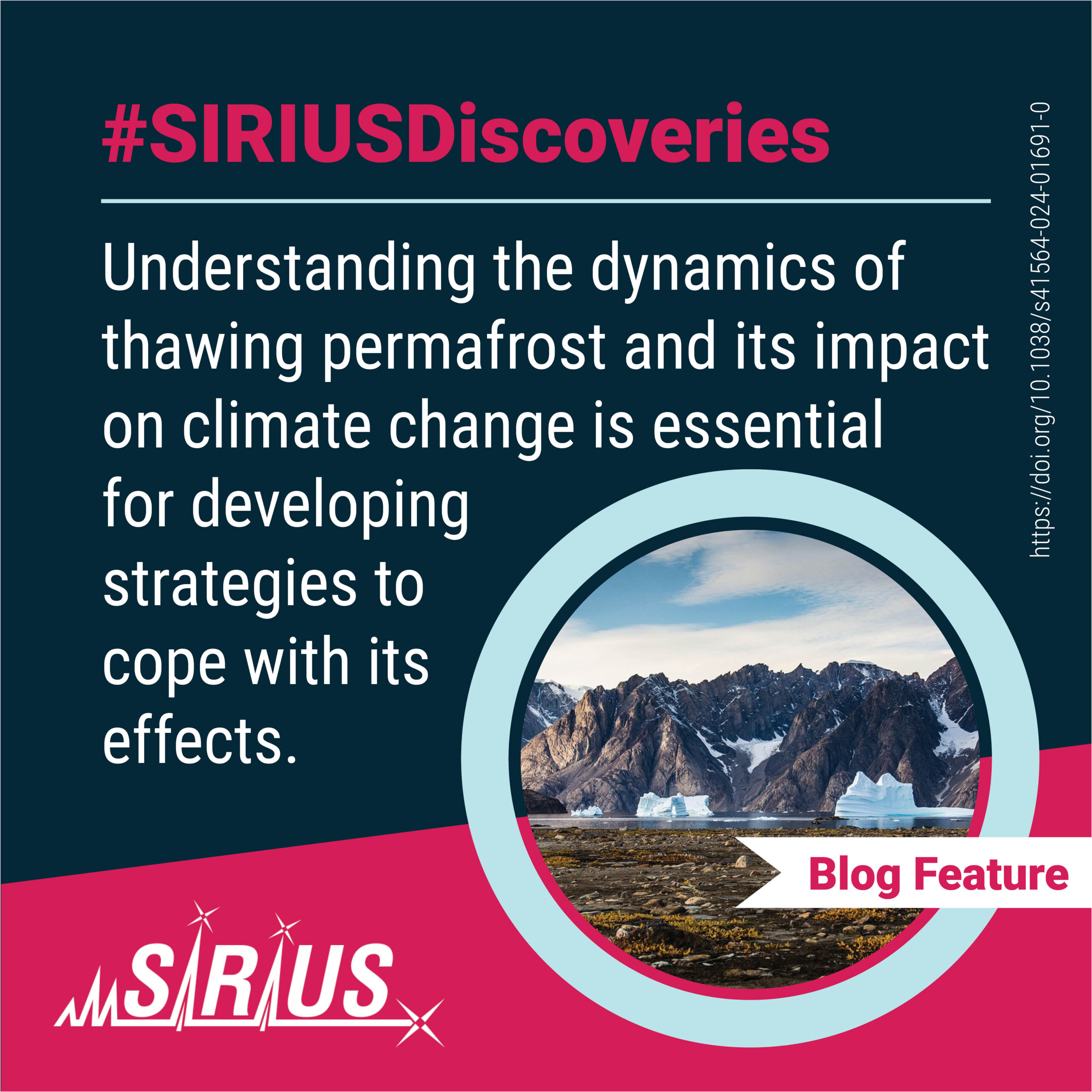
Assessing the consequences of thawing permafrost
Thawing permafrost, caused by climate change, releases stored carbon into the atmosphere, accelerating global warming. The enzyme latch hypothesis suggests that low-oxygen conditions in wetlands slow down enzymatic polyphenol degradation and carbon release. But are oxygen-dependent phenol oxidases really the only enzymes that microbial communities have in their arsenal? Or should we perhaps take a closer (metatranscriptomic and metabolomic) look at the microbially catalysed carbon cycle?
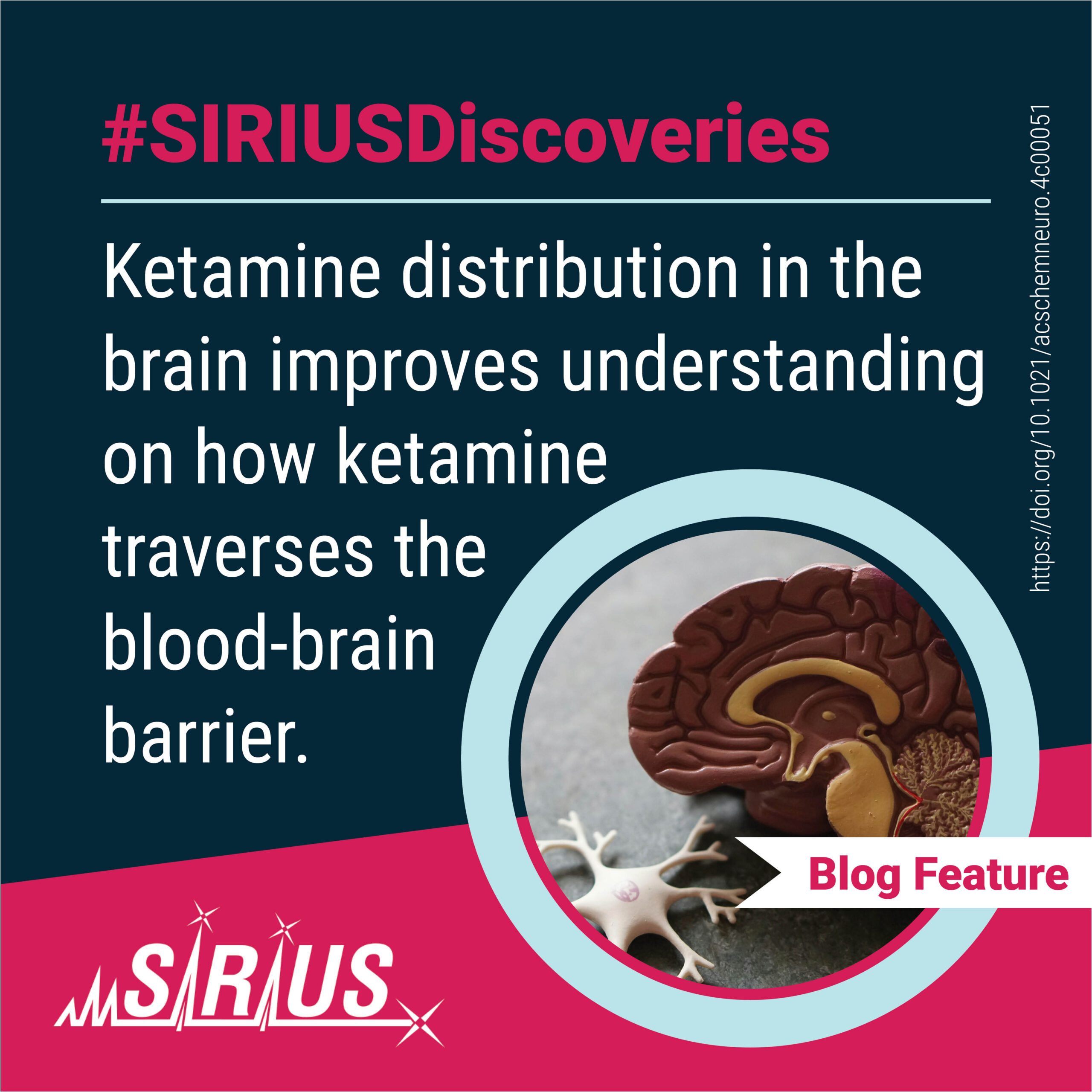
Understanding Ketamine drug metabolism in the brain
Ketamine is known for its dual role as an anesthetic and an emerging antidepressant. Despite its long-standing clinical use, the metabolic pathways and pharmacokinetics of ketamine remain poorly understood. A study of ketamine metabolism in the pig brain using SIRIUS provides valuable insights into the distribution of ketamine and its metabolites in different areas of the brain.
Künstliche Intelligenz im Labor
Unsere Software SIRIUS ist eines der Anwendungsbeispiele Künstlicher Intelligenz im Labor, die auf der Analytica 2024 in der SPECTARIS Studie über die aktuellen Entwicklungen, Potenziale und Ausblicke von KI im Labor vorgestellt wurden.
SIRIUS ist eine Softwarelösung zur automatischen Strukturaufklärung unbekannter Moleküle und leistet einen wertvollen Beitrag zur Entdeckung neuer Wirkstoffe und zur Identifizierung von Schadstoffen und Verunreinigungen.
Quality control of Spirulina nutrient profiles
Microalgae, such as Spirulina, are promising sources of sustainable nutrition with rich nutrient profiles. Ensuring consistent quality of microalgae as dietary supplements requires a quality control method reporting about their chemical composition. Mass spectrometry-based metabolomics coupled with SIRIUS helps identifying primary and secondary metabolites with potential health benefits, including free fatty acids, polar lipids, and pigments.