News

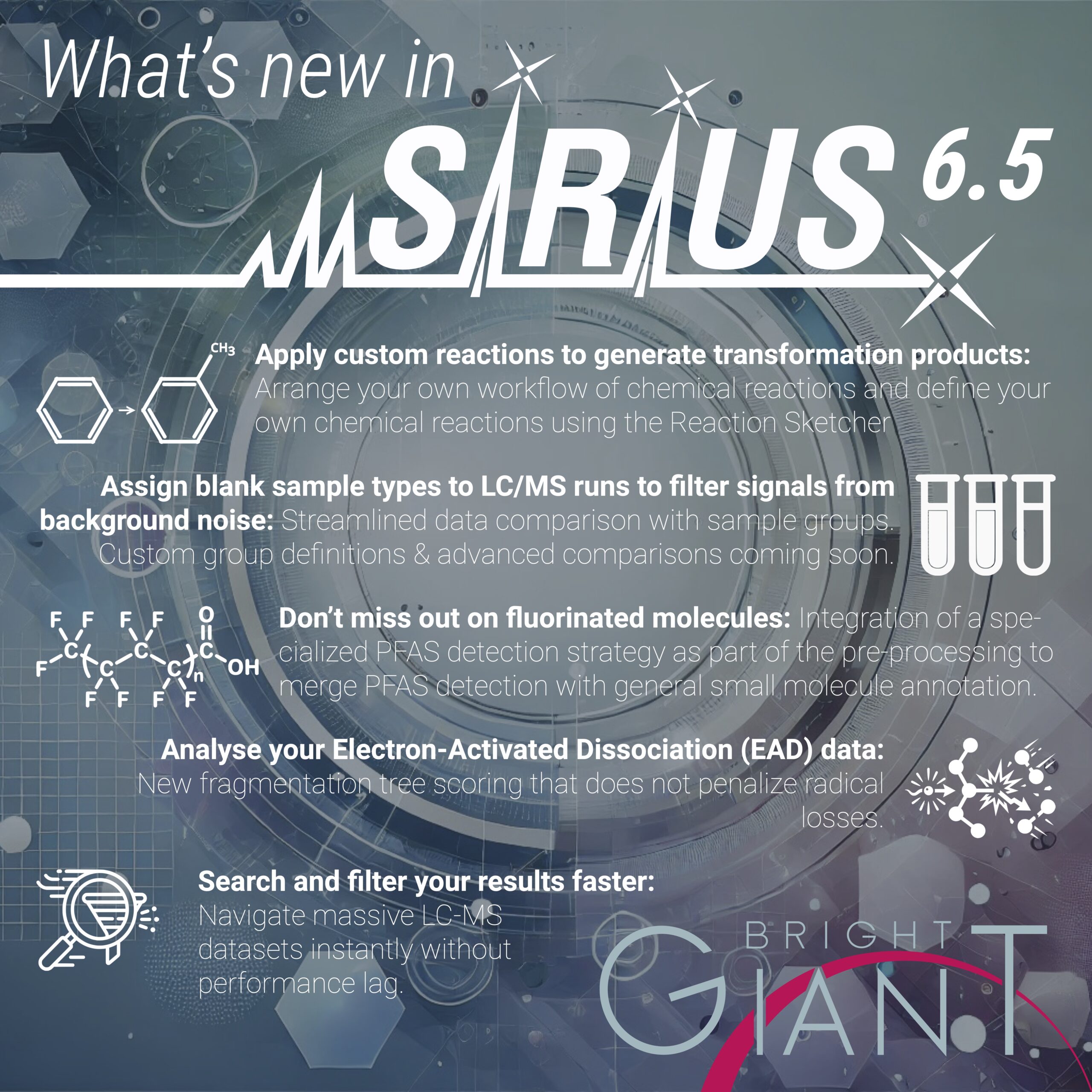
SIRIUS 6.5 is here…

…and brings along some great new features:

Download SIRIUS 6.5 now.

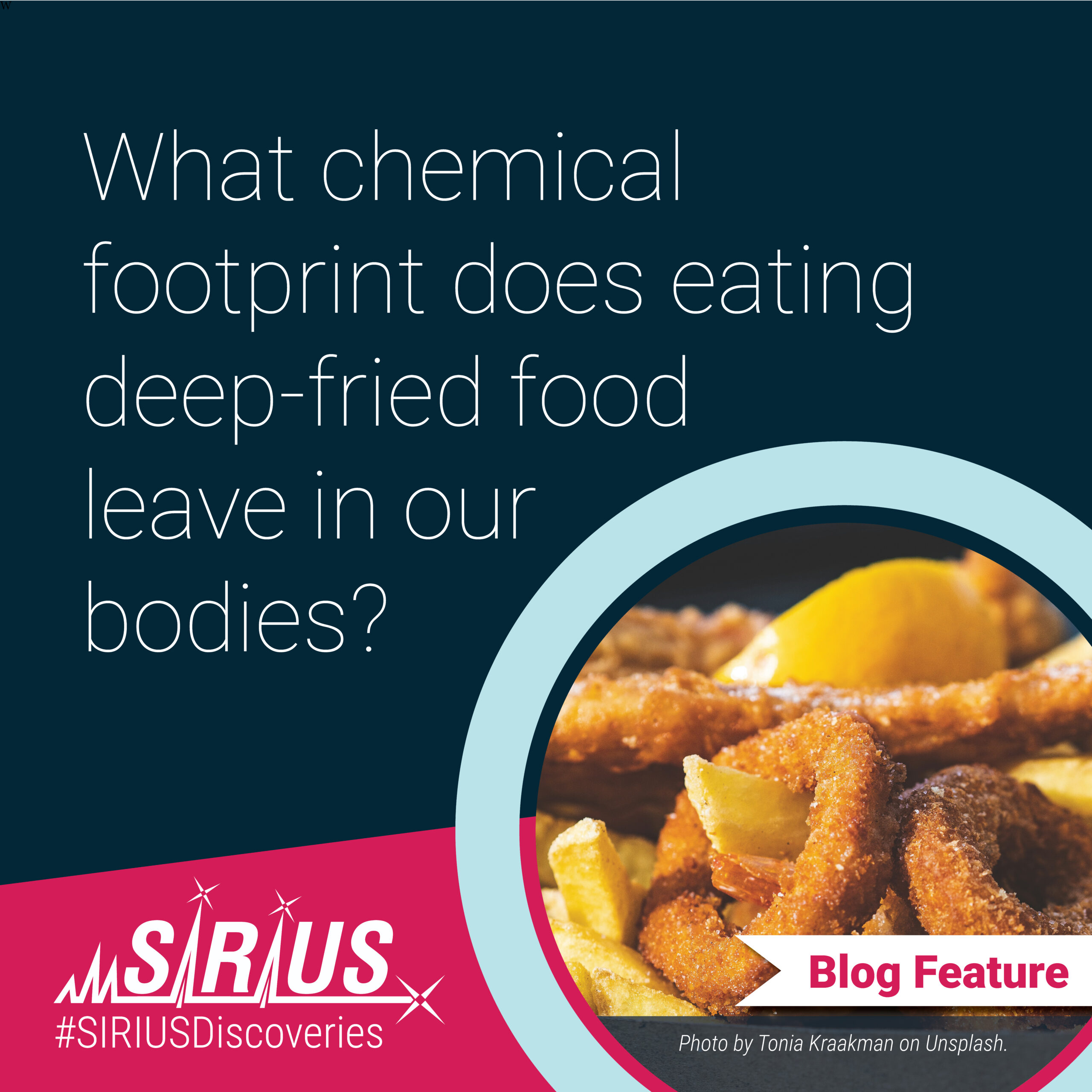
How does your body react to deep-fried food?

When we eat deep-fried food, we expose ourselves to a complex mix of reactive chemical species. To protect us, our bodies neutralize these toxicants through glutathione conjugation, eventually excreting them in urine as mercapturic acid conjugates (MACs). However, mapping these urinary biomarkers has long been a challenge because many escape standard screening methods or aren’t registered in public databases.

Using SIRIUS molecular structure annotation, researchers identified 847 features—including 581 novel metabolites entirely missing from HMDB and PubChem. They proved that consuming deep-fried foods leads to a spike in urinary MACs derived from toxic reactive aldehydes, lipid oxidation products, and metabolic intermediates.

Read the full blog post.

Y.-C. Chen et al. Anal. Chem. (2026) 10.1021/acs.analchem.5c08181

How can AI accelerate plant drug discovery?

Is it time for a paradigm shift to solve the pharmaceutical “supply crisis” caused by the industrial instability of plant cell cultures?

Decoupling drug discovery from manufacturing.
Instead of using plants for production, researchers should harness the “productive chaos” of plant stress responses solely to discover new therapeutic compounds. Once discovered, these complex biosynthetic pathways can be transferred to stable microbial hosts or engineered cell factories for reliable, large-scale manufacturing.

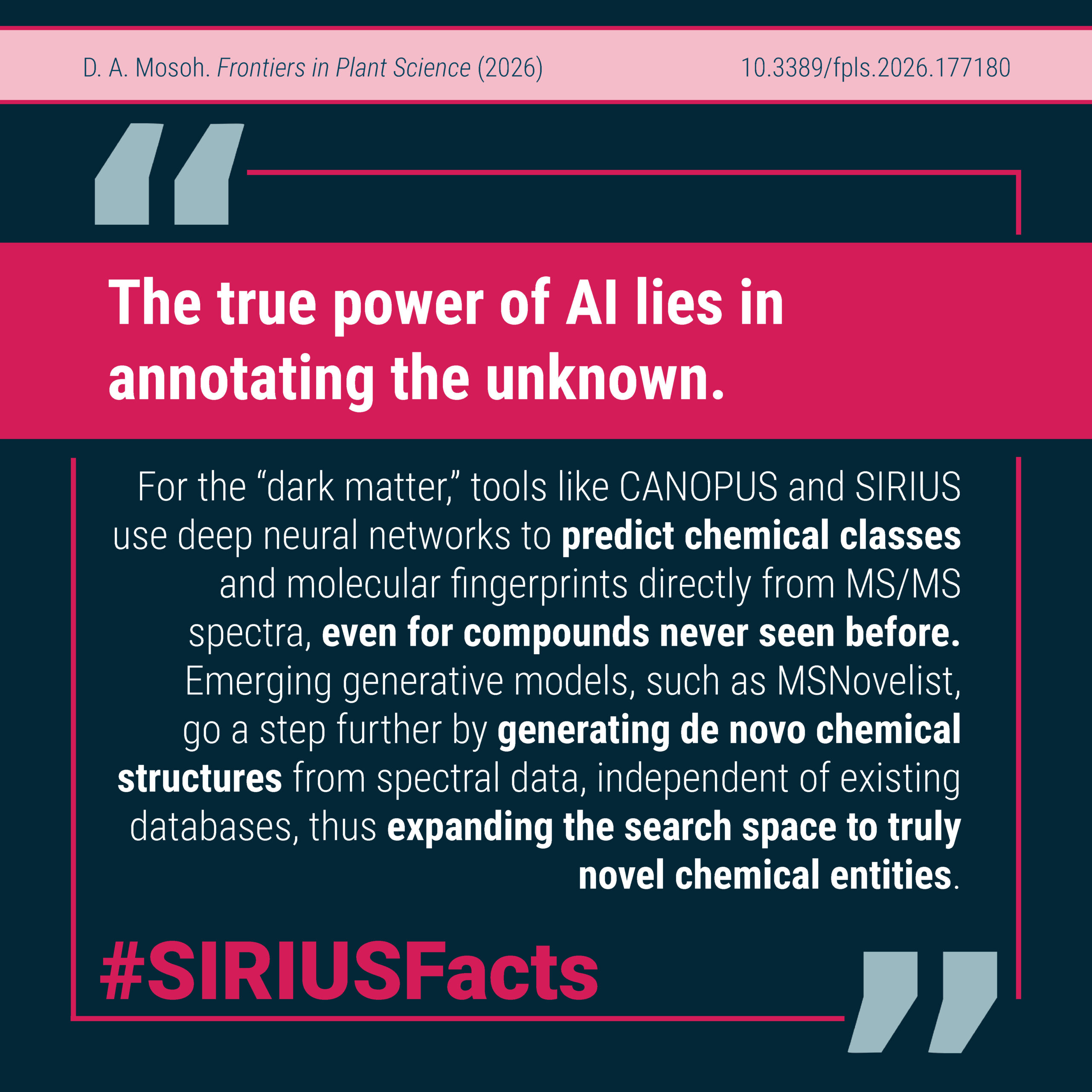
Artificial intelligence and machine learning serve as the core engine for this shift by streamlining plant metabolic data into predictive pipelines. AI tools like SIRIUS quickly decode unknown molecular “dark matter,” allowing researchers to annotate, prioritize, and scale novel bioactive candidates far faster than traditional timelines allow.

D A Mosoh et al. Front. Plant Sci. (2026) doi: 10.3389/fpls.2026.1771802

SIRIUS 🤝 BioTransformer

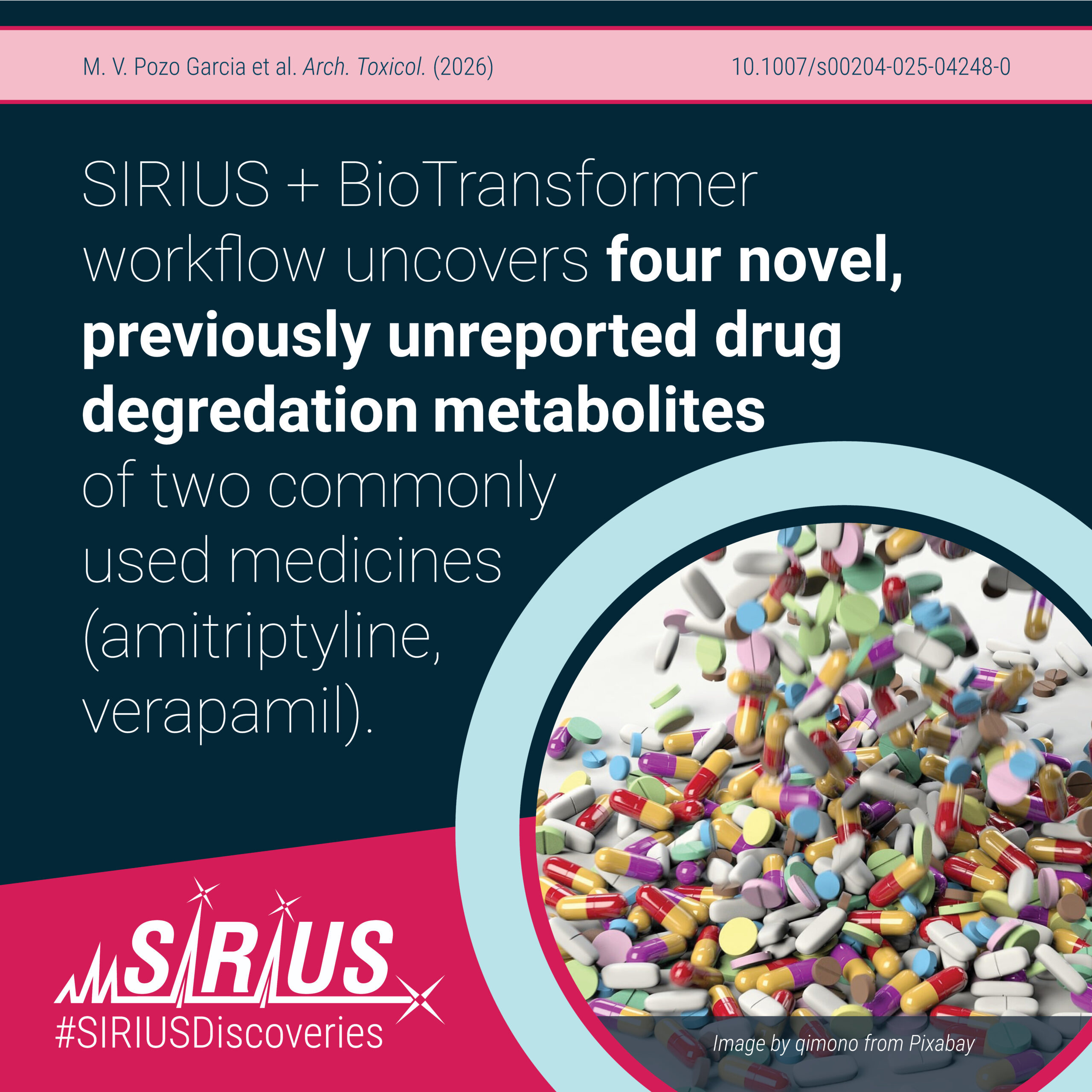
Understanding the metabolic fate of pharmaceutical drugs is a critical component of modern drug discovery and safety testing. Tracking these metabolic changes is notoriously difficult. Identifying the precise structures of drug metabolites within complex mixtures remains a massive analytical bottleneck. To overcome this hurdle, we have integrated BioTransformer in SIRIUS. Researchers have benchmarked this approach using six diverse model drugs and found that it not only bypasses the need for exhaustive manual identification but actively expands our structural coverage of the metabolome.

Read the full blog post.

V. Pozo Garcia et al. Arch. Toxicol. (2026) 10.1007/s00204-025-04248-0

Breaking the Synthesis Bottleneck for Diterpenoid Alkaloid Therapeutics

Diterpenoid alkaloids are an exceptionally complex class of plant metabolites heavily valued for their therapeutic potential. However, their intricate architectures render chemical synthesis unfeasible, while their trace abundance in wild plants, like wolfsbane, limits pharmaceutical scaling. Biosynthetic production in heterologous hosts offers an appealing alternative, but the specific enzymatic steps assembling these compounds have remained uncharacterized.

In a recent study published in Molecular Plant, researchers deployed a combination of comparative transcriptomics and advanced computational metabolomics to solve the entry steps of diterpenoid alkaloid biosynthesis. The team utilized SIRIUS within their untargeted LC-MS/MS pipeline to systematically annotate molecular formulas and predict compound classes to unlock the nitrogen-tracking pathway.

Key discoveries:
✨ Ethanolamine, rather than ethylamine, serves as the primary nitrogen donor for this class of metabolites—even when the final structures prominently display an ethyl group.
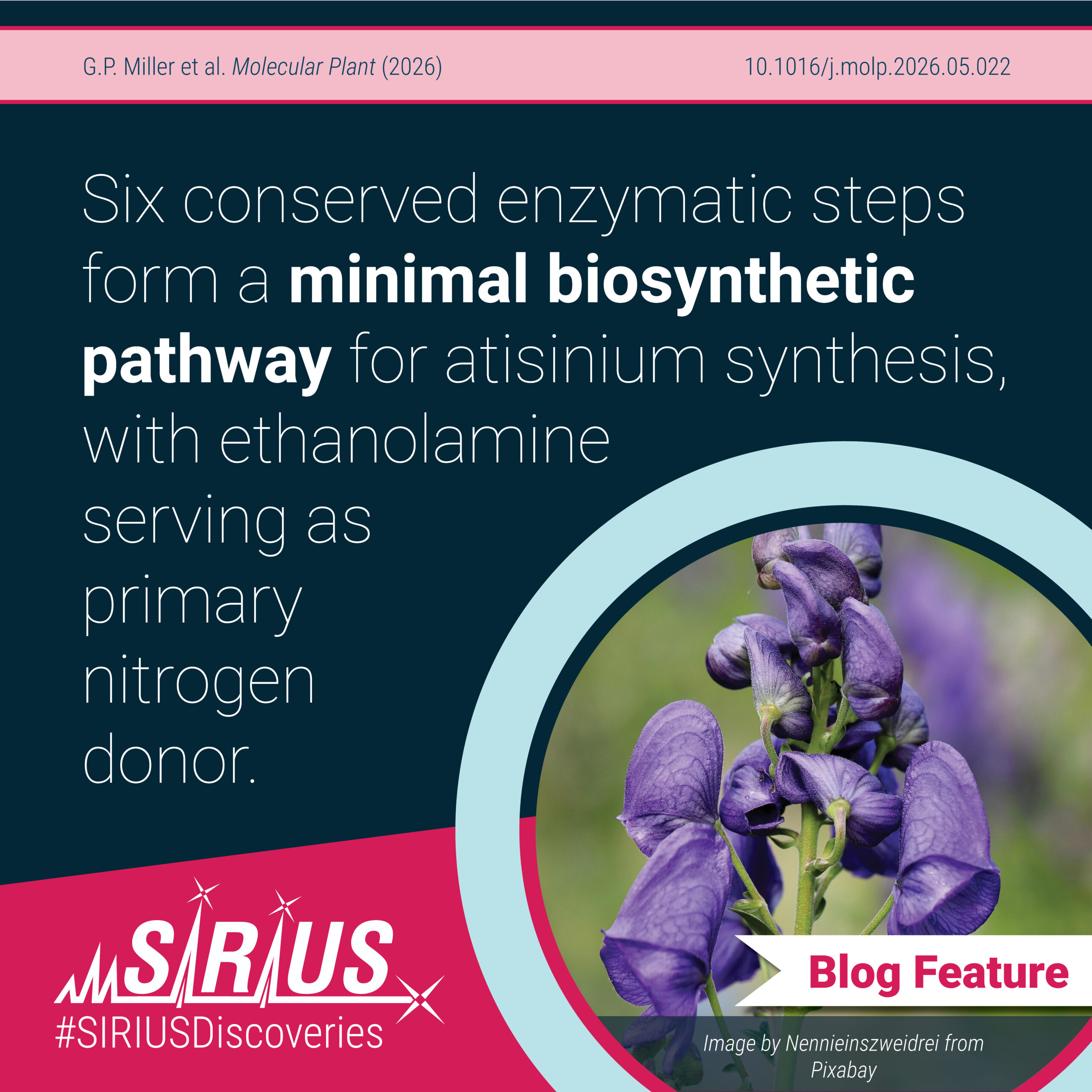
✨ Elucidation of six conserved enzymatic steps that form a minimal biosynthetic pathway sufficient for the de novo production of the foundational diterpenoid alkaloid atisinium.

Read the full blog post.

G.P. Miller et al. Molecular Plant (2026) 10.1016/j.molp.2026.05.022

What’s new in SIRIUS 6.3.4

Have you tried the latest version of SIRIUS and tested our new features yet?

✨ Directly integrate our curated spectral library containing high-quality public spectra from major repositories, including GNPS, MassBank, and MsnLib
✨ Export BioTransformer outputs as a structured reference databases
✨ Export publication-ready figures of fragmentation patterns as high-quality vector graphics in SVG format
✨ Directly navigate (jump) via right-click context menu to related features
✨ Get a warning if your manually modified structure is already in the candidate list
✨ Manually force to override automatic tool selection if you already have intermediate results and wish to avoid re-computation of computationally intensive jobs
✨ Retain high-resolution MS/MS spectra while excluding low-resolution or incompatible GC-MS data when importing public or custom spectral libraries

Download SIRIUS now and let us know what you think!

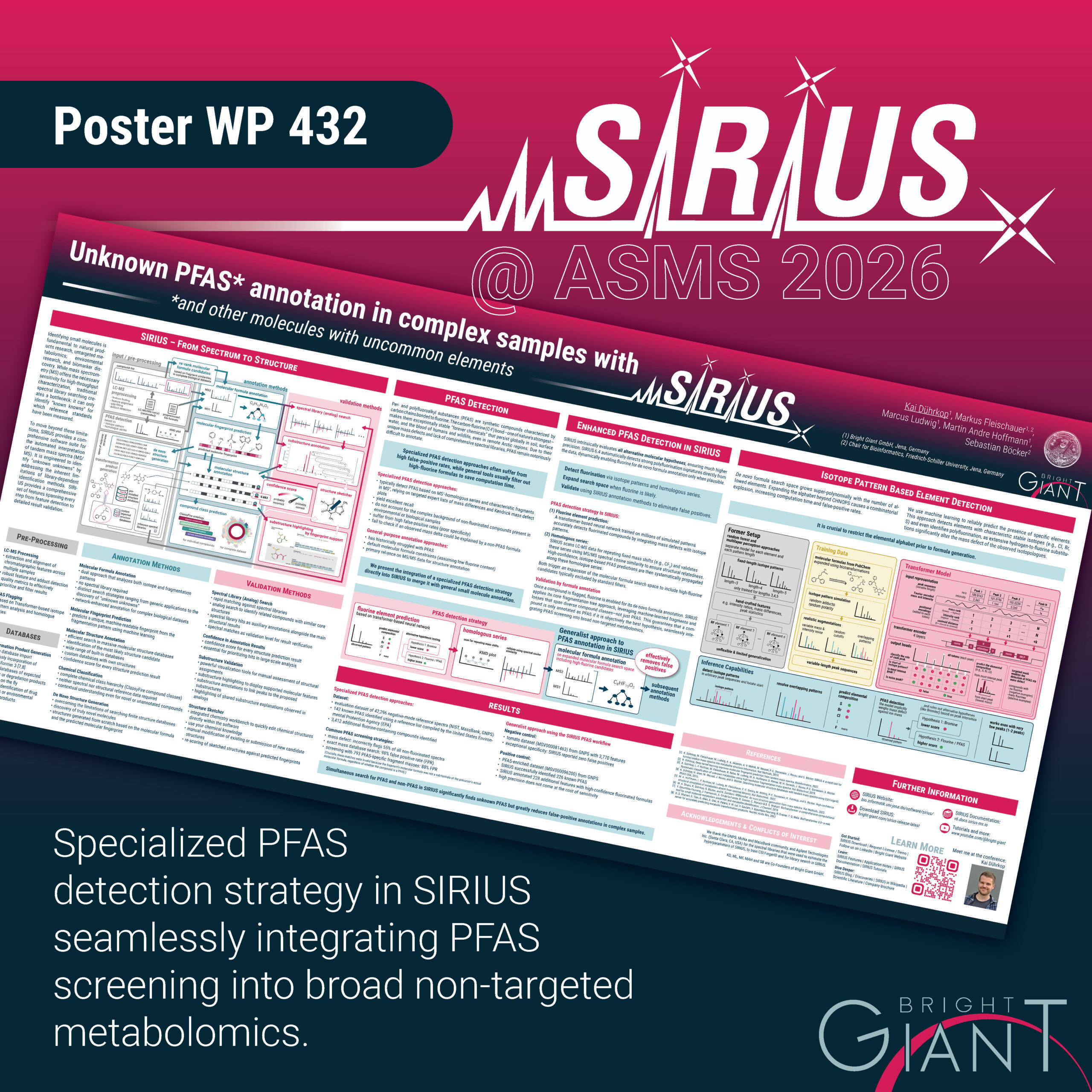
Unknown PFAS annotation in complex samples with SIRIUS

Want to have a peek at the newest SIRIUS developments and upcoming software features at ASMS 2026?
Visit us at our Poster WP 432 on Wednesday, June 03.

Identifying unknown PFAS in complex samples usually feels like a trade-off:
❌ Specialized tools often suffer from high false-positive rates.
❌ General tools often filter out high-fluorine formulas just to save on computation time.

✨ We present the integration of a specialized PFAS detection strategy directly into SIRIUS to merge it with general small molecule annotation.

Stop by at our poster to discuss with Kai Dührkop how our newest approach will accelerate your PFAS detection workflow.

Download SIRIUS now!

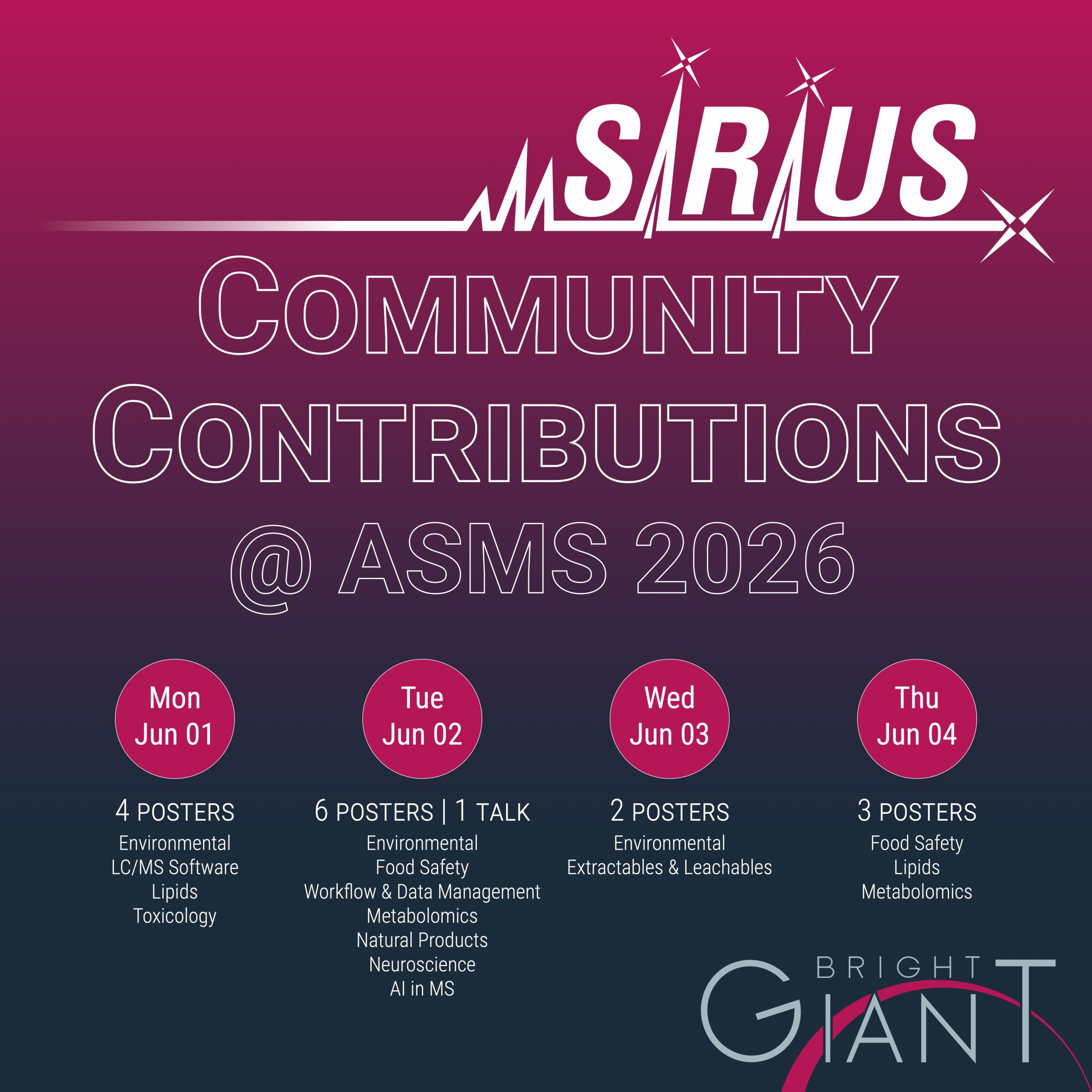
SIRIUS Community Contributions at ASMS 2026

✨ We are proud to see the SIRIUS Community covering so many different research fields at ASMS 2026. From toxicology, food safety, natural products to E&Ls and even neuroscience. It is incredibly rewarding to see our software powering such diverse and impactful science.

If you’re attending ASMS, make sure to add the community highlights to your schedule.

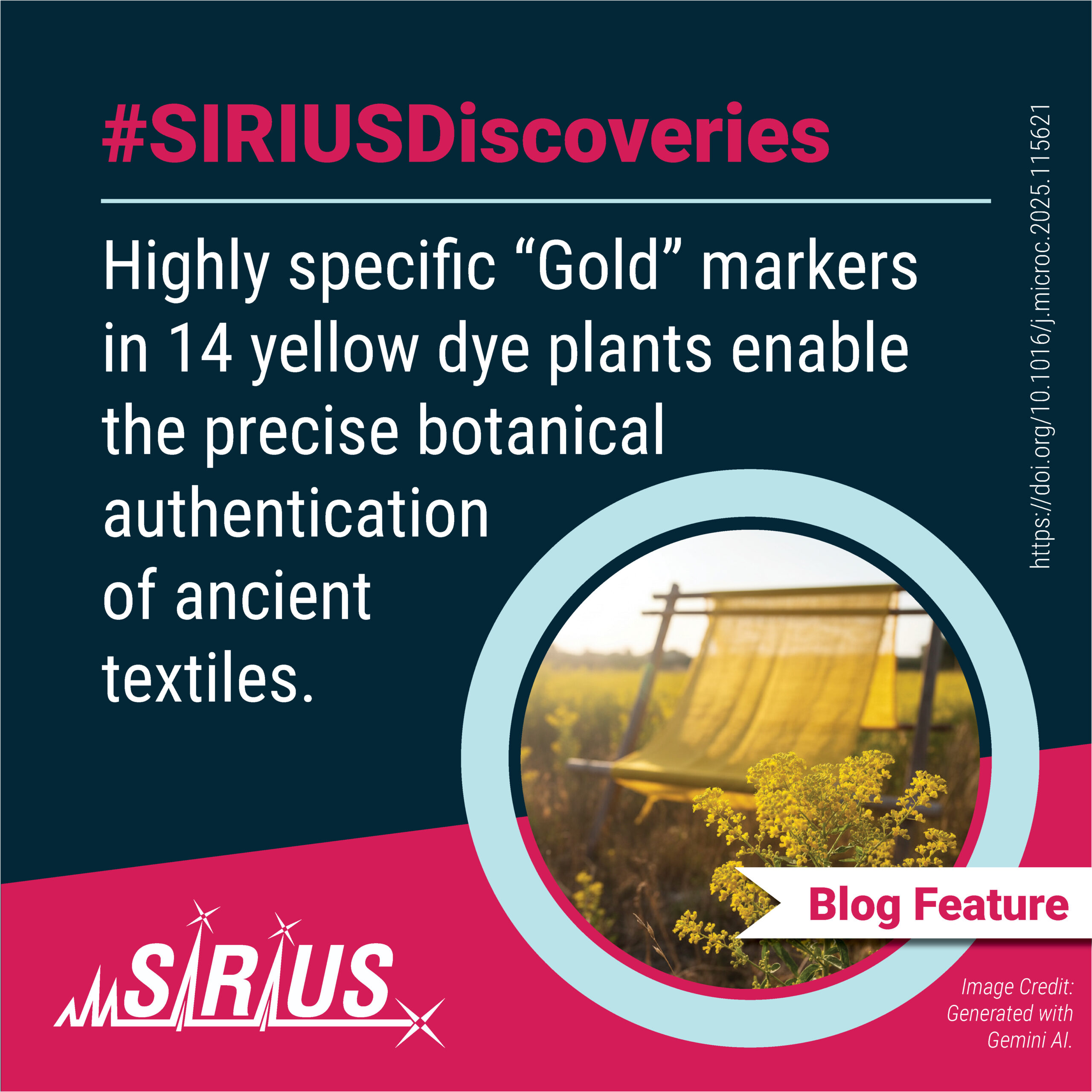
Identifying Yellow Dye Markers

Identifying the botanical origins of yellow dyes in ancient textiles is a notorious challenge due to the chemical overlap of common pigments across different plant species. This study introduces a robust metabolomics workflow designed to move beyond ubiquitous molecules like quercetin to find species-specific “Gold” chemical markers using SIRIUS.

Read the full blog post.

L. Mas-Normand et al. Microchem. J. (2025) doi: 10.1016/j.microc.2025.115621

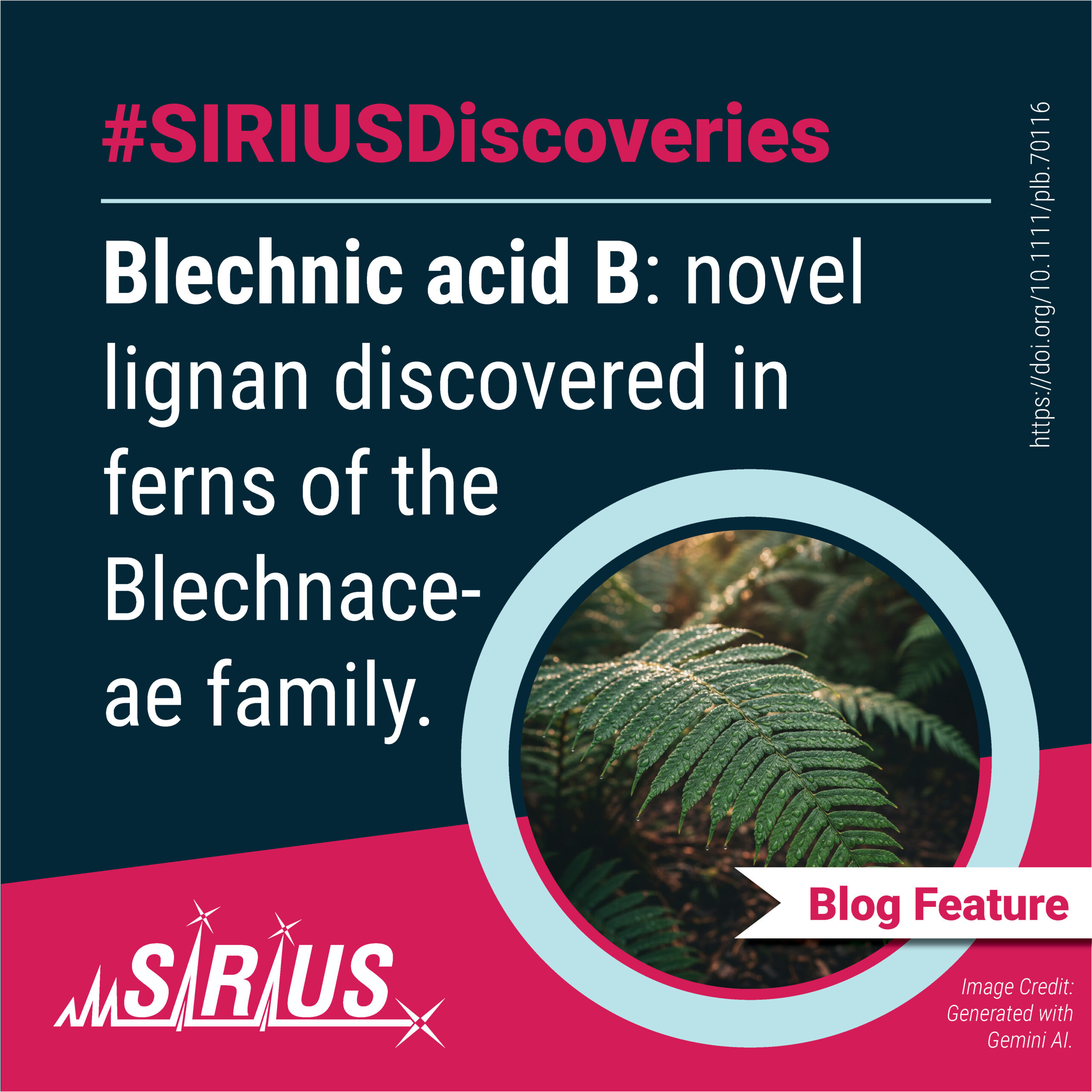
Novel Phenolic Compound in Fern

The specialized metabolism of ferns remains a largely untapped frontier in the search for natural medicinal compounds. Using SIRIUS molecular structure annotation, researchers successfully identified a previously unknown lignan named blechnic acid B. This novel compound, found in Neoblechnum brasiliense, highlights the chemical diversity hidden within under-investigated plant lineages.

Read the full blog post.

M. Ufland et al. Plant Biol. (2026) doi: 10.1111/plb.70116

Chemical Dark Matter of the Amazon’s Iron Caves

Deep within the aphotic zones of the Amazon’s ferruginous caves, a hidden world of microbial “dark matter” holds immense potential as a source for pharmacological innovation. A pioneering metabolomic survey of these extreme environments isolates rare bacterial genera that thrive in these iron-rich landscapes. They use SIRIUS to identify and classify chemical features, including potent cyclopeptides demonstrating growth inhibition against cancer cell lines.

Read the full blog post.

N. N. Kato et al. Chem. Biodivers. (2026) doi: 10.1002/cbdv.202502912

ASMS Advance Registration Deadline

ASMS 2026 is just around the corner! Don’t miss the Advance Registration Deadline on April 30.

We can’t wait to see you there to show you SIRIUS 6 in action.
📍 Stop by Booth 606 to say hi!