Discoveries

See the impact of SIRIUS firsthand! This archive showcases exciting discoveries and major breakthroughs made by research groups worldwide using SIRIUS for mass spectrometry-based small molecule identification. Explore how the power of SIRIUS is elevating metabolomics and small molecule data analysis across diverse fields, including drug discovery, human health, biomarkers & diagnostics, food industry, monitoring, microbiomics, environmental toxicology, archeology, and materials science. For an extensive list of publications by independent research groups using the SIRIUS software framework, click here.

Tag: pathogens & antimicrobial resistance

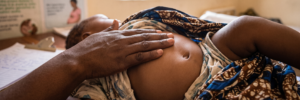
A close-up shot of an infant lying on a table in a health clinic setting. The baby's shirt is lifted to reveal their bare belly, where a mother's hand gently rests. Medical posters and clinic paperwork are visible in the background.
Discoveries

How SIRIUS Mapped the Chemical Shield Against “Superbugs” in the Infant Gut

Antimicrobial resistance in early life represents a critical global health challenge, particularly in low- and middle-income countries. Researchers investigated whether early-life oral probiotic supplementation can metabolically reprogram the infant gut microbiome to exclude antibiotic-resistant superbugs. Using SIRIUS-powered untargeted metabolomics, the team elucidated the resulting metabolic reprogramming. They found that high levels of beneficial Bifidobacterium drives a protective environment flooding the gut with organic acids and creating a protective chemical shield against drug-resistant Enterobacterales.

Read More »
Discoveries

SIRIUS in Space: The ISS metabolome

As we prepare for longer human missions beyond Earth, understanding the invisible ecosystems of space habitats has become critical for astronaut health. The International Space Station (ISS) is not just a home and laboratory—it is also a closed microbial and chemical environment unlike anything on Earth. This study mapped the ISS microbiome and metabolome in unprecedented detail, uncovering its vast chemical “dark matter” using SIRIUS.

Read More »
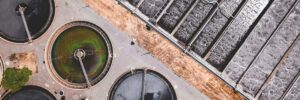
Current wastewater treatment plants often struggle to effectively remove antibiotics and their transformation products.
Discoveries

Biotransformation of antibiotics in wastewater: A fungal solution investigated with SIRIUS

Antibiotics are crucial for fighting bacterial infections, but the rise of antibiotic resistance poses a serious threat to public health. Beyond healthcare, the presence of antibiotic residues in wastewater exacerbates the problem. Conventional treatment methods often fall short in adequately removing these compounds, perpetuating resistance. Biological processes, such as biotransformation by fungi, have emerged as promising alternatives. Researchers investigated the potential of fungi to transform antibiotics, using SIRIUS and CSI:FingerID to identify degradation products.

Read More »
Discoveries

Hydrate your skin with “biotics”: Understanding the impact of pre/postbiotics on skin health

Our skin, beyond being a physical barrier, hosts a diverse community of microorganisms known as the skin microbiota. “Biotics” have gained attention for their potential to enhance the skin’s health, though their exact mode of action is still unclear. MS-based metabolomics has emerged as a powerful tool to characterize the chemical composition of the skin surface and correlate it with microbial communities. Using CSI:FingerID, researchers identified changes in the skin metabolome that are more pronounced than changes in the microbial composition, suggesting that even subtle shifts in microbial abundance can lead to significant effects on the skin.

Read More »
Discoveries

Befriend your competitor: SIRIUS identifies metabolite linked to dual-species biofilm pathogenesis in cystic fibrosis

In the world of microbiology, there’s an ongoing battle between different bacterial species competing for survival and dominance. However, under certain conditions, two species can actually thrive together in a dual-species biofilm. The cooperation between P. aeruginosa and S. aureus in cystic fibrosis leads to increased disease severity. But so far, only little is known about the chemical communication mechanisms between those bacteria. SIRIUS identifies a metabolite that could be related to the increased pathogenesis of this dual-species biofilm in cystic fibrosis.

Read More »