
Discoveries

See the impact of SIRIUS firsthand! This archive showcases exciting discoveries and major breakthroughs made by research groups worldwide. Explore how the power of SIRIUS is elevating small molecule data analysis across diverse fields, including drug discovery, human health, diagnostics, food industry, monitoring, microbiomics, environmental toxicology, and materials science. For an extensive list of publications by independent research groups using the SIRIUS software framework, click here.

A forest bathed in sunlight. Lignin is essential for stability of wood.
Discoveries

Adding value to by-products: Unraveling the complex structure of lignin with SIRIUS

Despite being one of Earth’s most abundant polymeric organic compounds, lignin is often considered a lower-value byproduct in industrial processes. Converting lignin into valuable chemicals or biomaterials requires a thorough structural characterisation of depolymerised products. This non-targeted analysis method involving 2D liquid chromatography and high-resolution tandem mass spectrometry uses SIRIUS in versatile ways to unravel the complex structures of depolymerized lignin.

Read More »
Discoveries

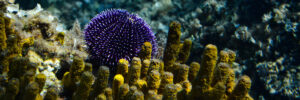
Life at the bottom of the sea: Chemical classes of exometabolites investigated with SIRIUS

Examining seawater presents an enduring challenge due to the complexity of molecules present in trace amounts and their dynamic nature. The lowest ecological region of the sea is inhabited by holobionts, such as sponges, which significantly shape the marine chemical landscape through the release of diverse exometabolites. In addressing the need to capture these molecules immediately after release, a novel underwater device was developed, allowing in situ collection and enrichment without harming organisms. To test the device, researchers investigated exometabolites of sponges in the Mediterranean sea using untargeted mass spectrometry and SIRIUS to understand the chemical class distribution. This approach holds promise for studying endangered species in marine protected areas, assessing seasonal variations in exometabolite production, and monitoring toxins or human impacts in the marine environment.

Read More »
Discoveries

Potential risk of impurities in pesticides: Elucidating structurally related impurities using SIRIUS

Thiacloprid is a first-generation, widely used, neonicotinoid insecticide. Its persistence in the environment and potential adverse effects on human health have raised significant concerns. Elucidating the impurity profile of pesticides is crucial for assessing their environmental impact and potential risks, and setting acceptable limits for impurities. Using enhanced molecular formula identification with SIRIUS, researchers demonstrate an approach for identifying structurally related impurities in pesticides.

Read More »
Discoveries

The sky is burning: Elucidating brown carbon composition using SIRIUS

Brown carbon, arising from the combustion of organic matter, exerts a significant influence on atmospheric radiation and global climate. To fully comprehend its impact on atmospheric processes, a thorough characterization of the light-absorbing brown carbon molecules is imperative. Using SIRIUS, researchers have successfully annotated 100 brown carbon chromophores, 33 of which have never been reported before. Through the identification and characterization of these chromophores in diverse atmospheric samples, we gain invaluable insights into their origins, behavior, and the profound implications they have on radiative forcing, cloud formation, and the intricate web of global climate change.

Read More »
Discoveries

Green silver: Unveiling the role of biomolecules in plant-based nanoparticle synthesis with SIRIUS

Metal nanoparticles from gold, silver, iron, copper, and others, range in size from 1 to 100 nanometers and have a broad variety of applications in computing, optics, cosmetics, food industry, medicine, and water treatment. Silver nanoparticles, known for their antimicrobial properties, are effective for remediating contaminated waters. Plant extracts are used as reducing agents for the environmentally friendly synthesis of silver nanoparticles. To improve this synthesis, identifying the biomolecules involved in the process is crucial. UHPLC-QTOF-MS and SIRIUS identified the key phenolic compounds involved in the silver reduction.

Read More »