Microbial decomposers break down human remains, recycling nutrients and influencing ecosystem dynamics. Is there a universal microbial decomposer network that assembles in response to mammalian remains? How does the network and the cadaver-derived nutrient pool change during the decomposition process and can this microbial community change be used for predicting time since death for forensic purposes?
News
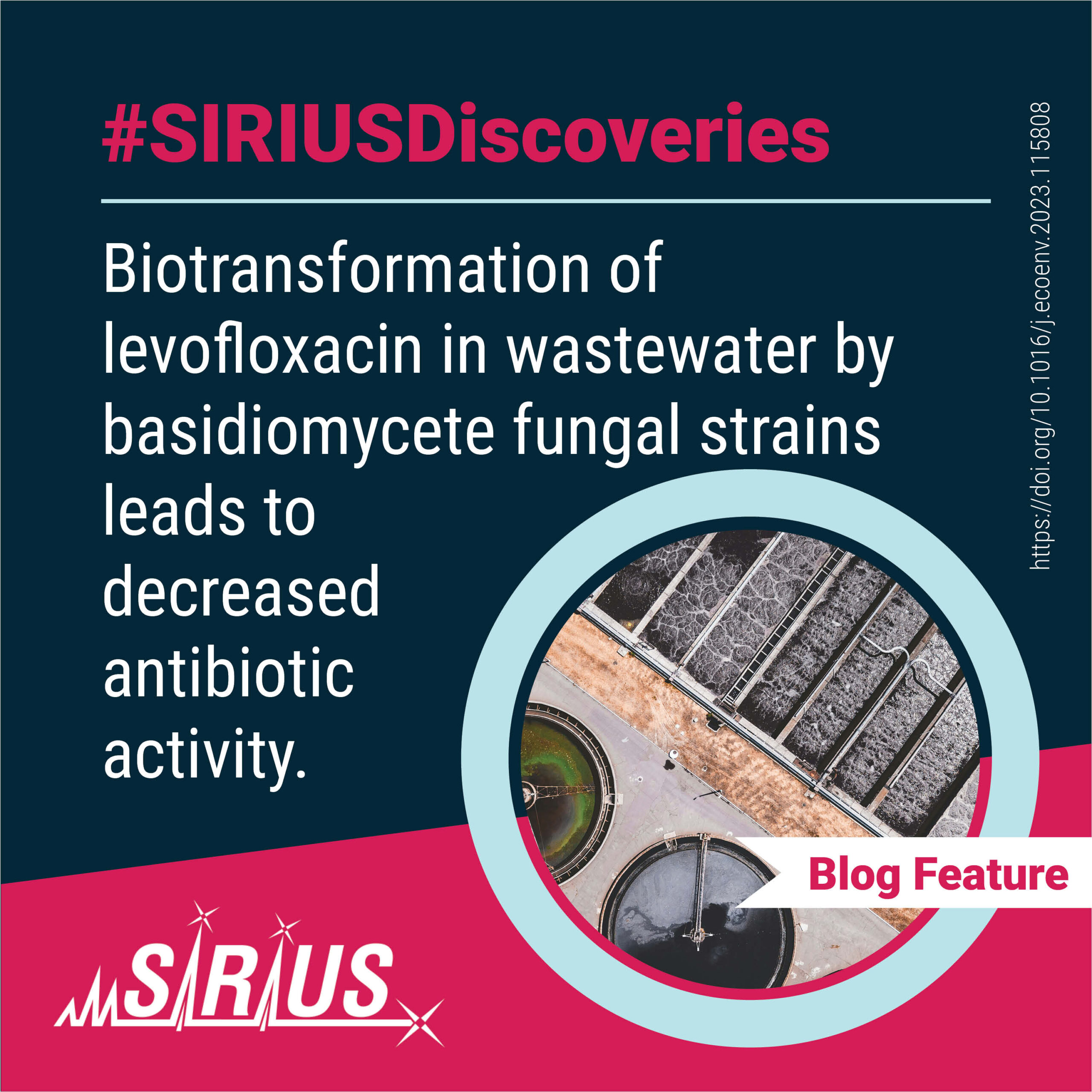
Fungal degradation of antibiotics investigated with SIRIUS
Antibiotics are crucial for fighting bacterial infections, but the rise of antibiotic resistance poses a serious threat to public health. Beyond healthcare, the presence of antibiotic residues in wastewater exacerbates the problem. Conventional treatment methods often fall short in adequately removing these compounds, perpetuating resistance. Biological processes, such as biotransformation by fungi, have emerged as promising alternatives. Researchers investigated the potential of fungi to transform antibiotics, using SIRIUS and CSI:FingerID to identify degradation products.
Unraveling the complex structure of lignin with SIRIUS
Despite being one of Earth’s most abundant polymeric organic compounds, lignin is often considered a lower-value byproduct in industrial processes. Converting lignin into valuable chemicals or biomaterials requires a thorough structural characterisation of depolymerised products. This non-targeted analysis method involving 2D liquid chromatography and high-resolution tandem mass spectrometry uses SIRIUS in versatile ways to unravel the complex structures of depolymerized lignin.
Chemical classes of exometabolites investigated with SIRIUS
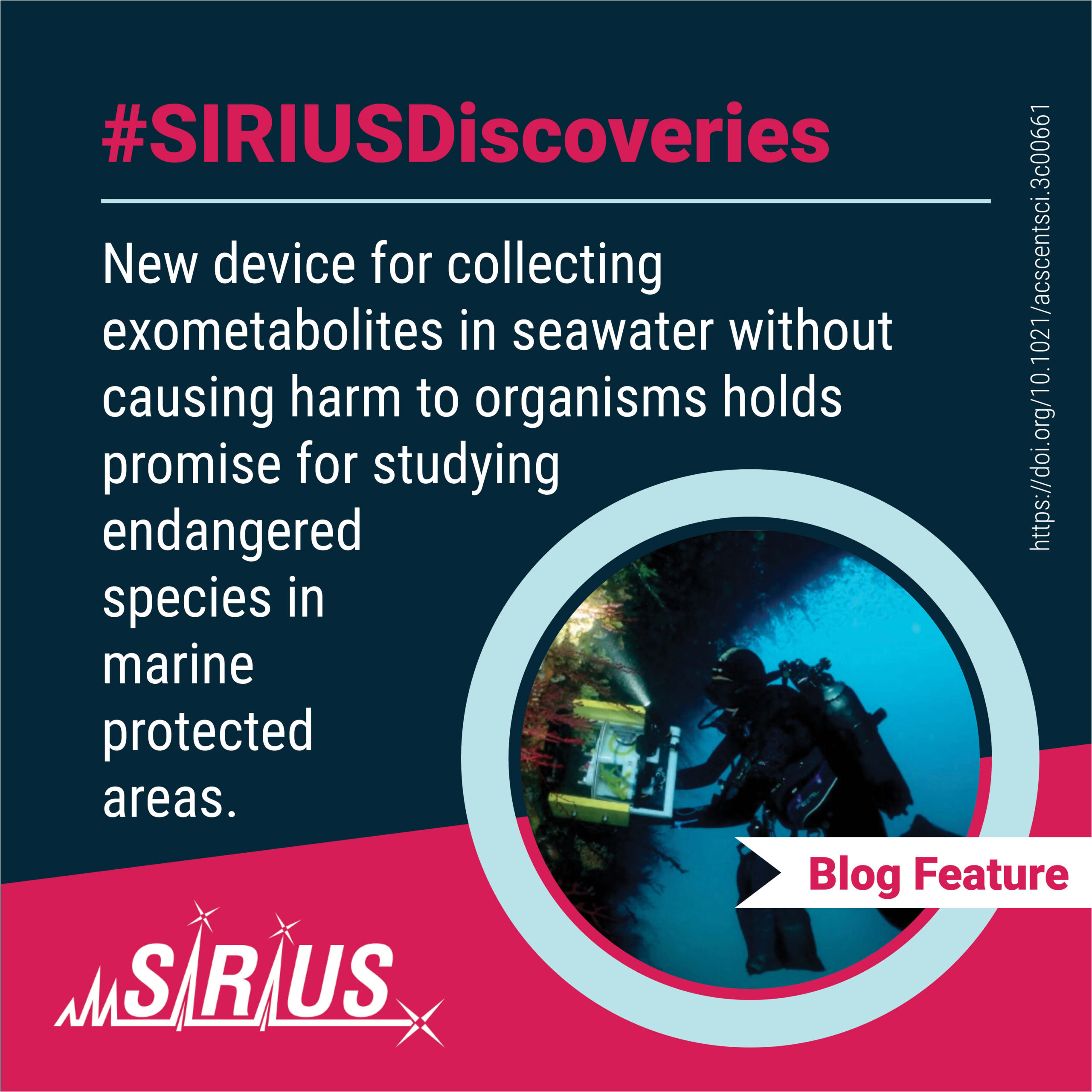
Examining seawater presents an enduring challenge due to the complexity of molecules present in trace amounts and their dynamic nature. The lowest ecological region of the sea is inhabited by holobionts, such as sponges, which significantly shape the marine chemical landscape through the release of diverse exometabolites. In addressing the need to capture these molecules immediately after release, a novel underwater device was developed, allowing in situ collection and enrichment without harming organisms. To test the device, researchers investigated exometabolites of sponges in the Mediterranean sea using untargeted mass spectrometry and SIRIUS to understand the chemical class distribution. This approach holds promise for studying endangered species in marine protected areas, assessing seasonal variations in exometabolite production, and monitoring toxins or human impacts in the marine environment.