Chemical Classification

SIRIUS predicts the complete chemical class hierarchy of an unknown compound by assigning ClassyFire compound classes directly from the molecule’s predicted molecular fingerprint, requiring neither spectral nor structural reference data. This feature immediately provides contextual understanding even for novel or unannotated compounds. For full biological datasets, this feature provides a comprehensive overview of compound classes present in the sample and allows for comparisons between different cohorts at compound class level.

This archive showcases discoveries and major breakthroughs made by research groups worldwide using the chemical classification feature of SIRIUS.

Discoveries

Life at the bottom of the sea: Chemical classes of exometabolites investigated with SIRIUS

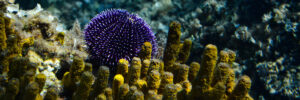
Examining seawater presents an enduring challenge due to the complexity of molecules present in trace amounts and their dynamic nature. The lowest ecological region of the sea is inhabited by holobionts, such as sponges, which significantly shape the marine chemical landscape through the release of diverse exometabolites. In addressing the need to capture these molecules immediately after release, a novel underwater device was developed, allowing in situ collection and enrichment without harming organisms. To test the device, researchers investigated exometabolites of sponges in the Mediterranean sea using untargeted mass spectrometry and SIRIUS to understand the chemical class distribution. This approach holds promise for studying endangered species in marine protected areas, assessing seasonal variations in exometabolite production, and monitoring toxins or human impacts in the marine environment.

Read More »
Newborn baby feet
Discoveries

Long-term storage in biobanks: Identifying unstable metabolites with SIRIUS

Neonatal dried blood spots are not only important for newborn screening but also a powerful source for investigating the potential metabolic etiologies of various diseases using untargeted LC-MS-based metabolomics. So far it is unclear whether the metabolites in those samples remain stable in storage. SIRIUS helps to investigate the stability of metabolites and classes of molecules.

Read More »
Radula complanata
Discoveries

A liverwort under stress: compound classification with SIRIUS to detect metabolic shifts

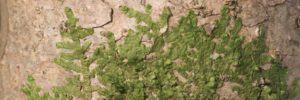
Liverworts are chemically diverse plants with unique cell organelles responsible for the synthesis and storage of specialized metabolites. Untargeted metabolomics was used to analyze the metabolic stress response of liverworts without isolating individual metabolites. SIRIUS classified the affected compounds, and helped to map the biochemical pathways of the unique stress response of liverworts compared to vascular plants.

Read More »
Discoveries

Scouring the oceans: Revealing the chemical potential of marine microorganisms with SIRIUS

Marine microorganisms offer a rich source of bioactive compounds with unique structures and remarkable biological activity. This makes them an important resource for the search for new therapeutic compounds, which is one of the most pressing challenges of our time. To narrow down the search to the most promising microorganisms, SIRIUS is nearly doubling the number of natural products annotated to estimate the chemical potential of microbial extracts.

Read More »