News

The Dark Metabolome Debate

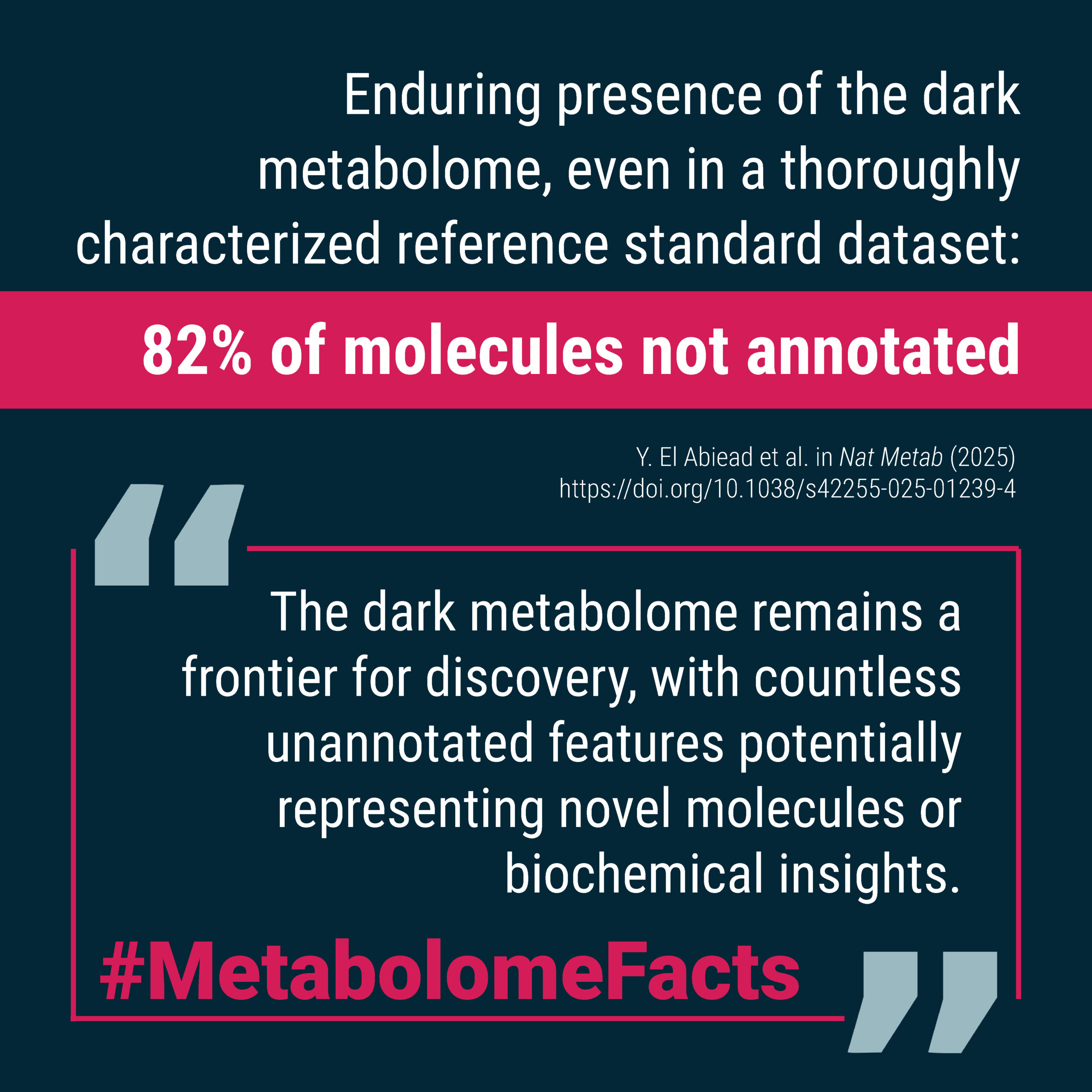
Mass spectrometry does produce different ion forms, but claiming the metabolome is mostly known is misleading. Analysis LC-MS data of 30,000 chemical standards found fewer in-source fragments than expected, suggesting they’re not as prevalent in biological samples as some argue. Even within a well-studied US National Institute of Standards and Technology (NIST) human fecal reference standard dataset, a staggering 82% of molecules lacked annotations for any ion form when carefully grouped by retention time, MS/MS data, and peak shape. This compelling finding underscores that the dark metabolome remains a significant frontier for discovery, holding countless unannotated features that could potentially represent novel molecules or provide crucial biochemical insights.

Y El Abiead et al. Nat. Metab. (2025) doi: 10.1038/s42255-025-01239-4

Mapping the Chemical Space of Biomes Using SIRIUS

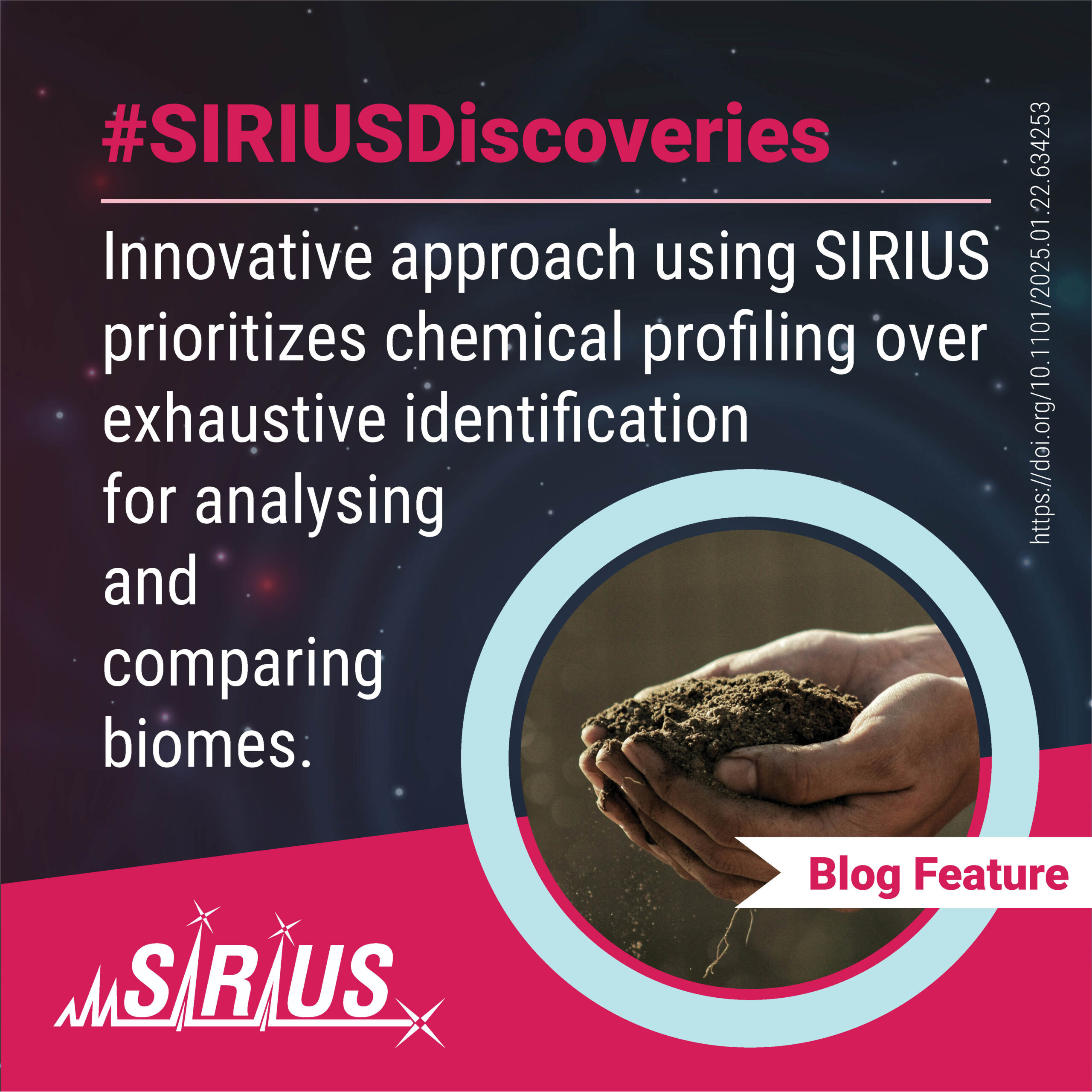
Untargeted mass spectrometry is a powerful tool for analyzing the immense chemical complexity of natural environments. However, interpreting such large datasets remains a significant challenge. To overcome this, researchers have developed an innovative approach using SIRIUS that prioritizes chemical profiling over exhaustive identification. This method allows for more effective comparisons of (micro-)biomes, providing deeper insights into biochemical diversity across different environments.

Read the full blog post.

P. Peets et al. bioRxiv (2025) doi: 10.1101/2025.01.22.634253

Sponsor for Metabolomics 2025

We’re proud to announce that we are a START-UP SPONSOR for Metabolomics 2025, the 21st Annual International Conference of the Metabolomics Society, taking place June 22-26, 2025, in Prague, Czech Republic!

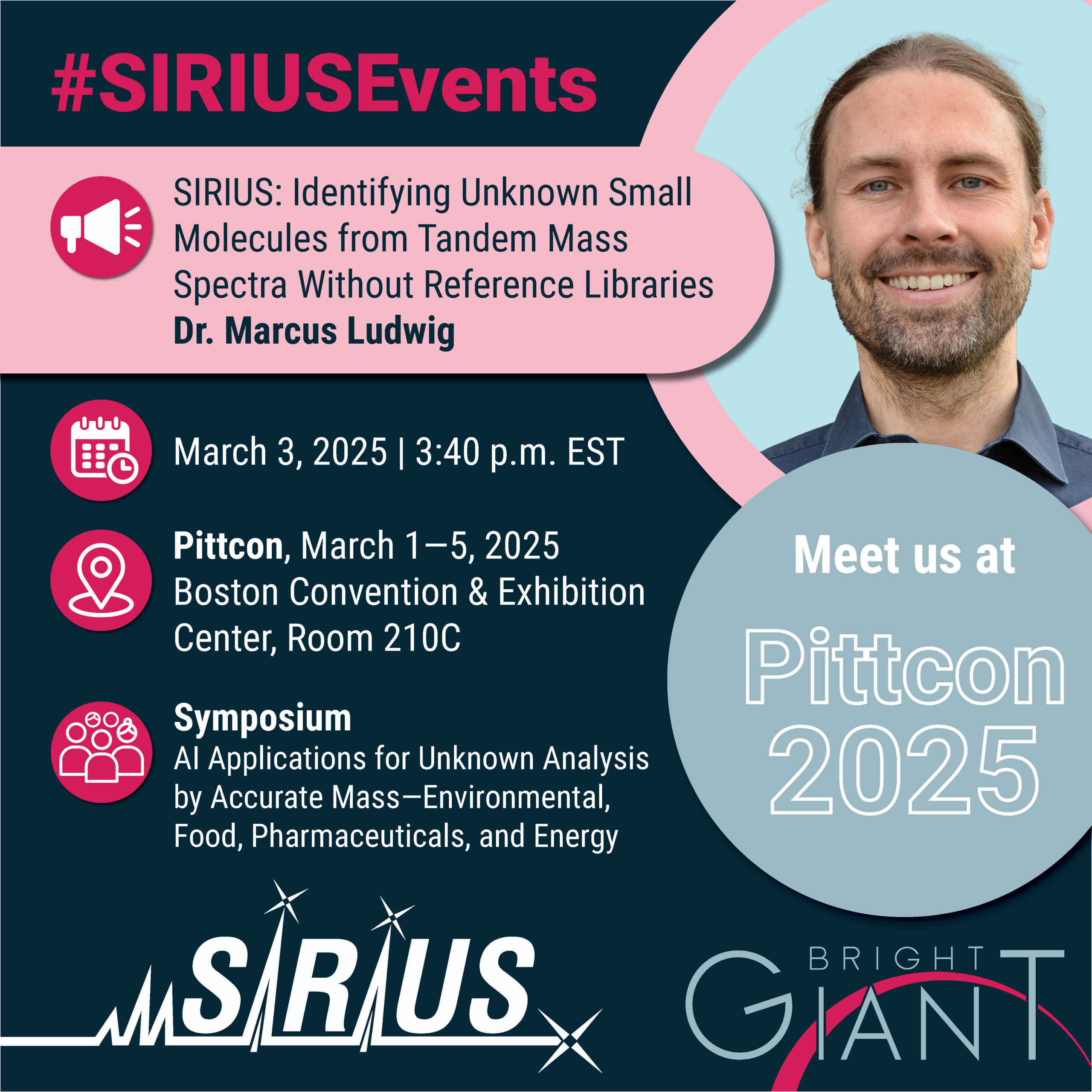
Join us at Pittcon 2025

Pittcon is a premier global conference for laboratory science, bringing together experts in analytical chemistry, spectroscopy, and scientific instrumentation.

Attendees will gain insights into how AI-powered tools, like SIRIUS, can autonomously process mass spectrometry data, generate accurate mass formulas, and predict chemical structures, significantly enhancing analytical workflows. Learn how SIRIUS is transforming the way we identify and classify unknown compounds—without the need for extensive reference libraries.

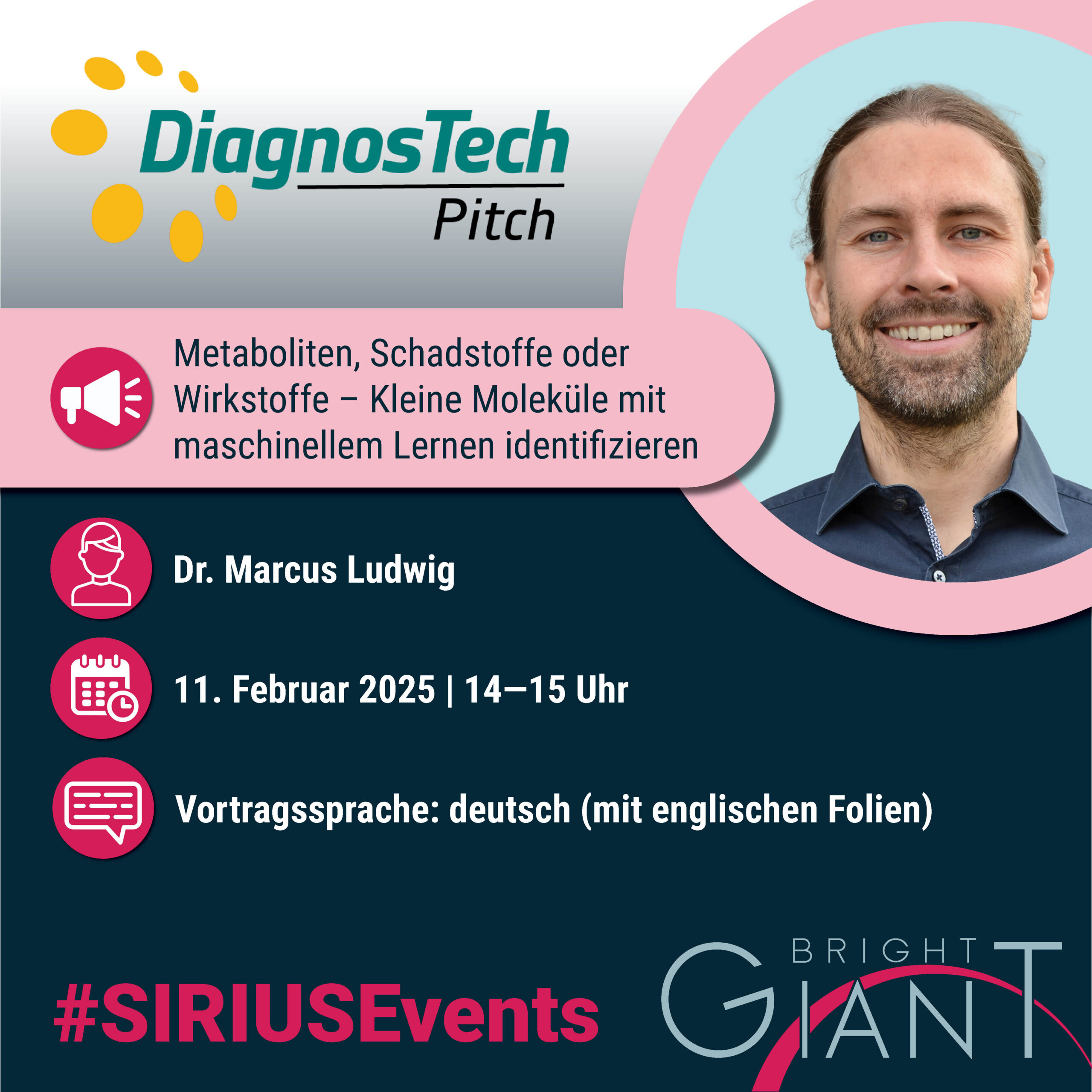
DiagnosTech Pitch

Beim nächsten DiagnosTech Pitch des InfectoGnostics Research Campus Jena geben wir Einblicke in unsere Software SIRIUS.
Jetzt anmelden und mehr über die Zukunft der Molekülanalyse lernen.

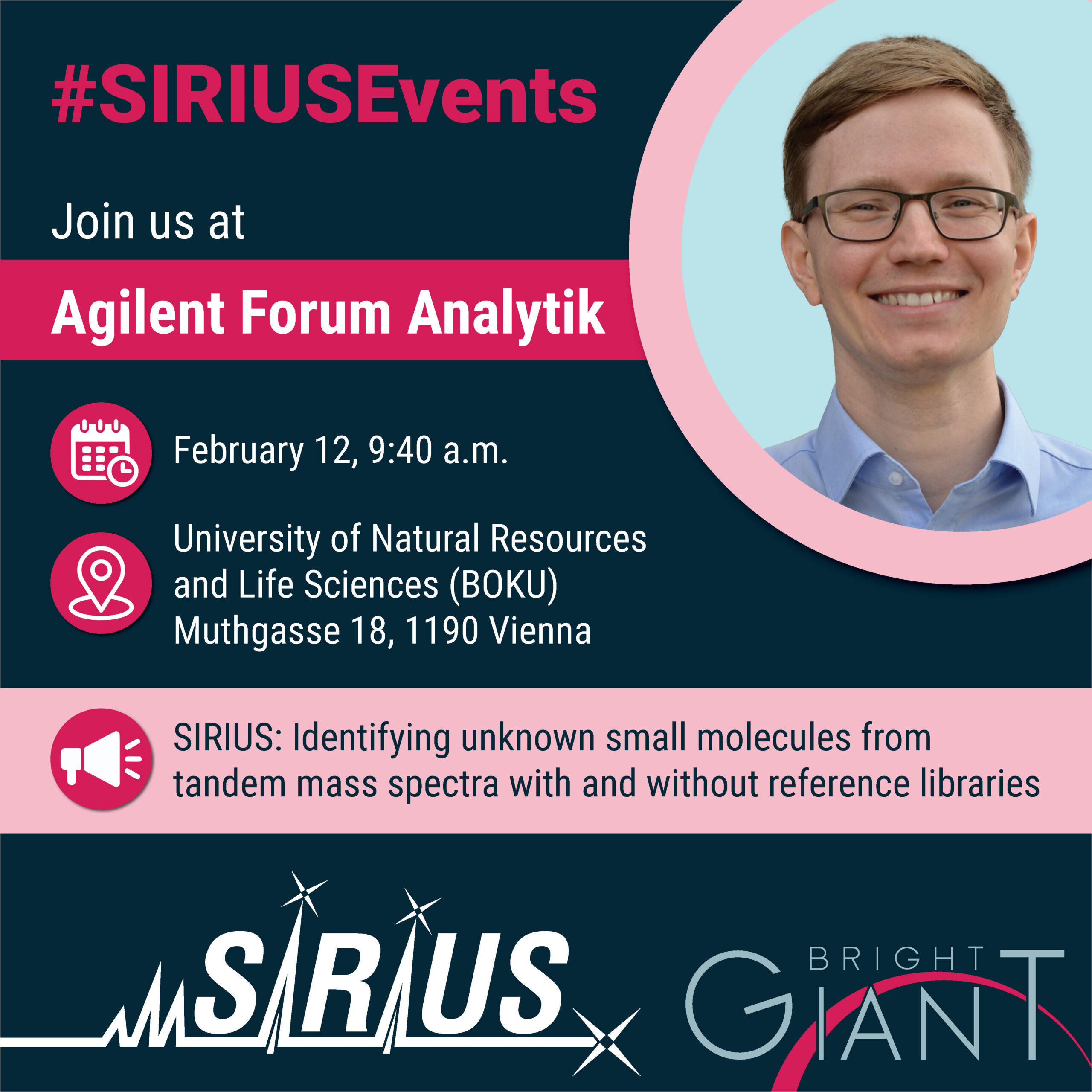
Join Us at Agilent Forum Analytik

Don’t miss the opportunity to attend Martin Hoffmann‘s talk about small molecule identification with SIRIUS.
The program promises an exciting lineup of lectures on key topics like microplastics, green energy, food and environmental analysis, and (bio-)pharma.
Martin will be available on both days to answer your questions and engage in discussions.
Attendance is free, but spots are limited!

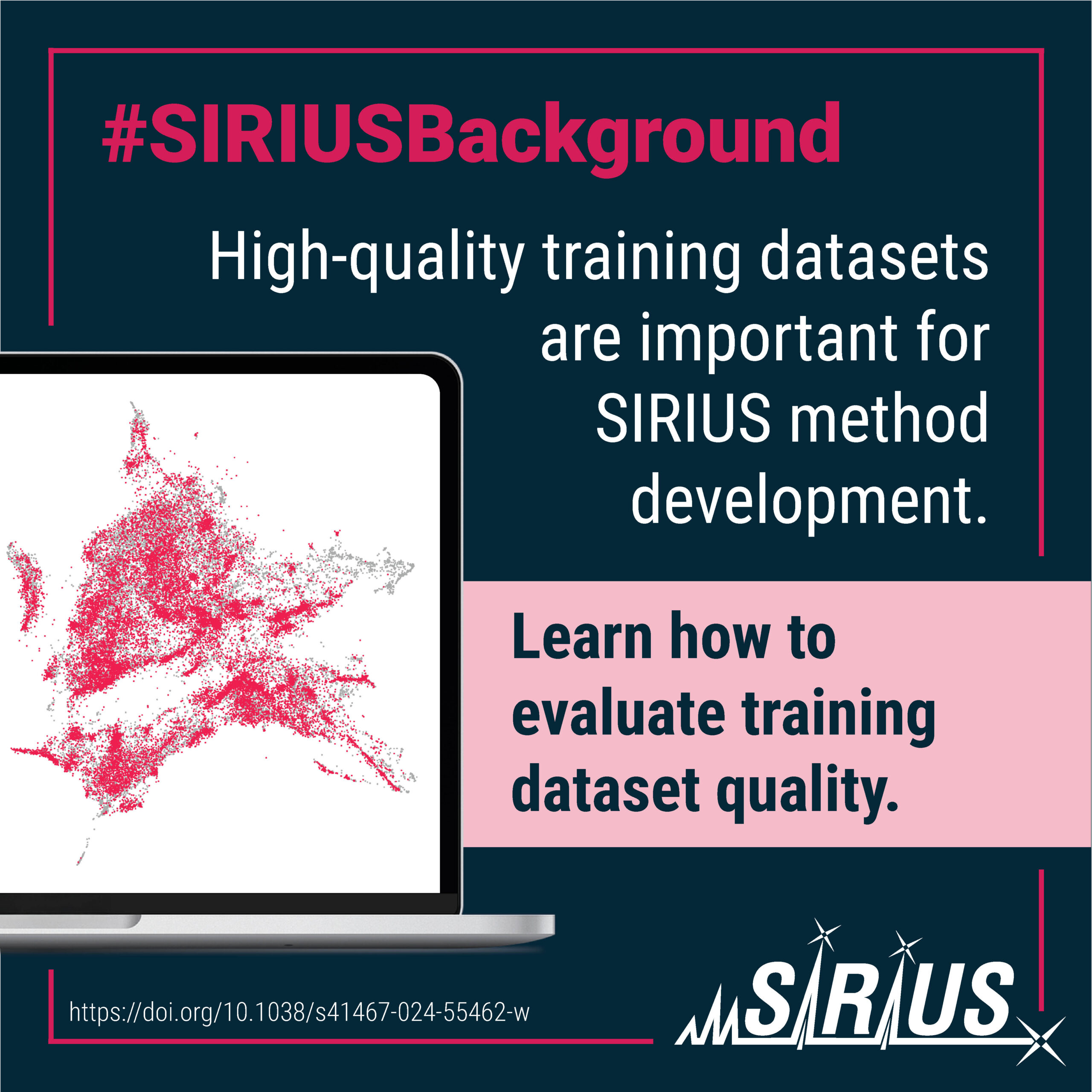
Why Training Data Matters

Why is high-quality training data for machine learning important?
Machine learning is transforming the way we approach problems in analytical chemistry. But there’s a catch: ensuring reliable results requires careful selection of training data to avoid biases that can mislead models.

We explain:
✨ why high-quality training datasets are important for SIRIUS method development
✨ why representing the full “universe” of small molecules is crucial
✨ how widely used datasets fail to evenly represent the diversity of biomolecular structures
✨ which tools can help evaluating dataset quality.

Read the full blog post.

F. Kretschmer et al. Nat Commun (2025) 10.1038/s41467-024-55462-w

Follow us on Bluesky!

🦋 You can now find us on Bluesky! 🦋
We’re excited to connect with you on this growing platform.
See you there!

SIRIUS 6.1.0 is here!

We’re excited to announce the latest version of SIRIUS designed to improve your small molecule analysis workflow with a refreshed interface, streamlined processes, and several important fixes that ensure smoother performance and better data handling.

  • New Color Scheme: Consistent and intuitive look throughout the identification process.
  • Streamlined Workflows: Tools auto-enable/disable based on workflow principles, with new presets for saving and reloading setups.
  • Detect More Features: Enhanced LC-MS/MS preprocessing with improved feature detection, adduct assignment, and sensitivity.
  • Welcome Page Redesign: Quick overview of account, connection details, and helpful resources.
  • Improved Result Views: Enhanced result views for smoother analysis.

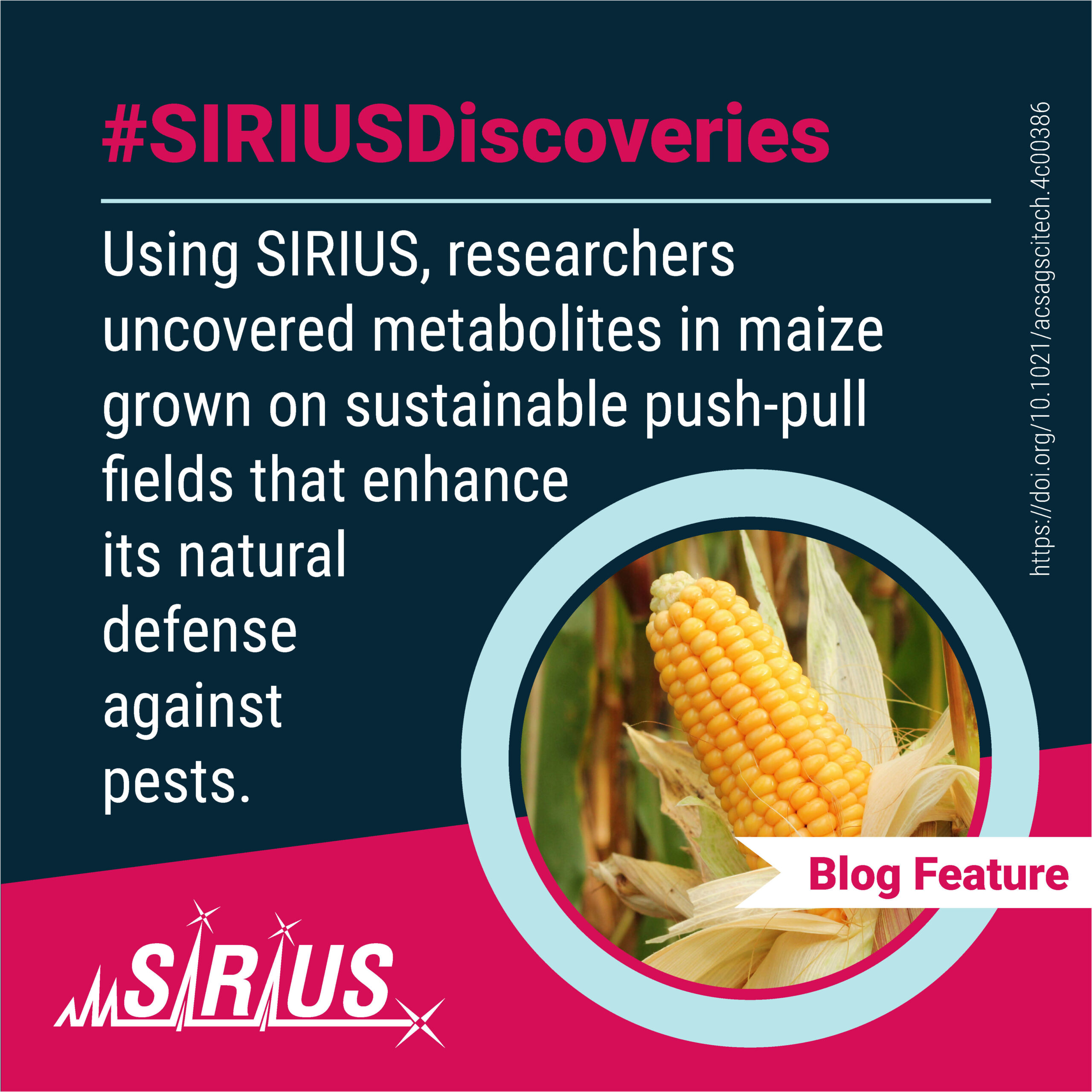
Sustainable Pest Control Investigated with SIRIUS

Agriculture has always been a dance with nature, requiring farmers to constantly adapt to changing conditions. One particularly promising method that has emerged over recent decades is push-pull technology, a strategy that uses nature’s own defenses to protect crops and boost yields. Using SIRIUS, researchers uncovered metabolites in push-pull maize that enhance its natural defense against pests.

Read the full blog post.

J. Lang et al. ACS Agric. Sci. Technol. (2024) doi: 10.1021/acsagscitech.4c00386

Screening extractables and leachables with SIRIUS

In a world where we’re becoming increasingly conscious of what we consume, understanding the potential presence of unexpected extractables and leachables in our food and drinks is paramount. Alcoholic beverages are of particular concern due to their increased affinity and extended storage periods. A non-targeted approach to analysis is essential for uncovering both known and unknown contaminants in our drinks. By analysing fragmentation patterns, SIRIUS predicts chemical structures of unknowns to identify unexpected contaminants and ensure safety of our food.

Read the full blog post.

N. He et al. Food Control (2024) doi: 10.1016/j.foodcont.2024.110424

Need Help with SIRIUS?

We’ve Got You Covered!
We’re committed to ensuring you have the best experience possible with our software.
Here’s how you can find support and get answers: