News

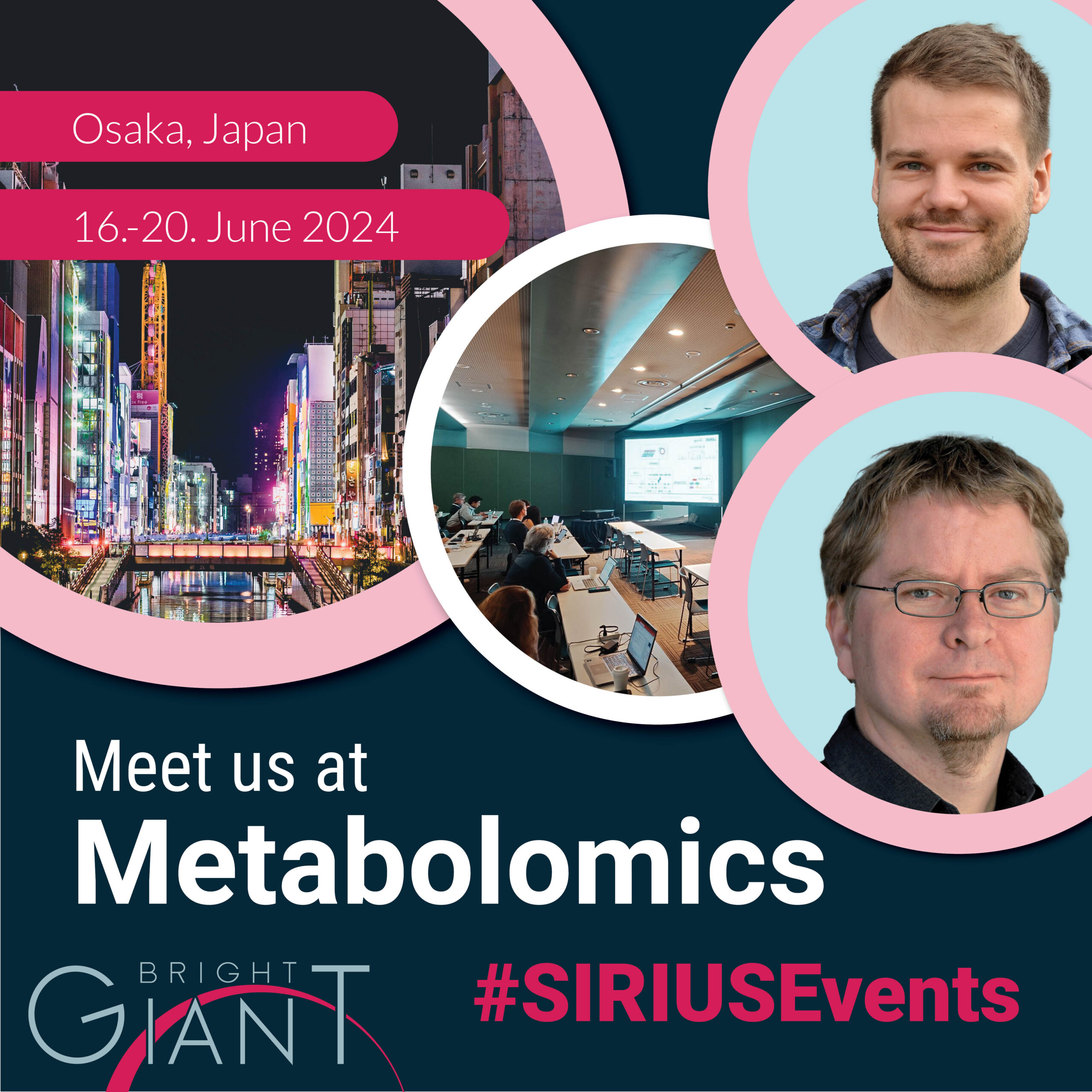
Meet us at Metabolomics 2024

We will present SIRIUS 6 in a workshop and a keynote talk at the 20th Annual International Conference of the Metabolomics Society in Osaka, Japan.

Make sure to get in touch to learn more about SIRIUS 6.

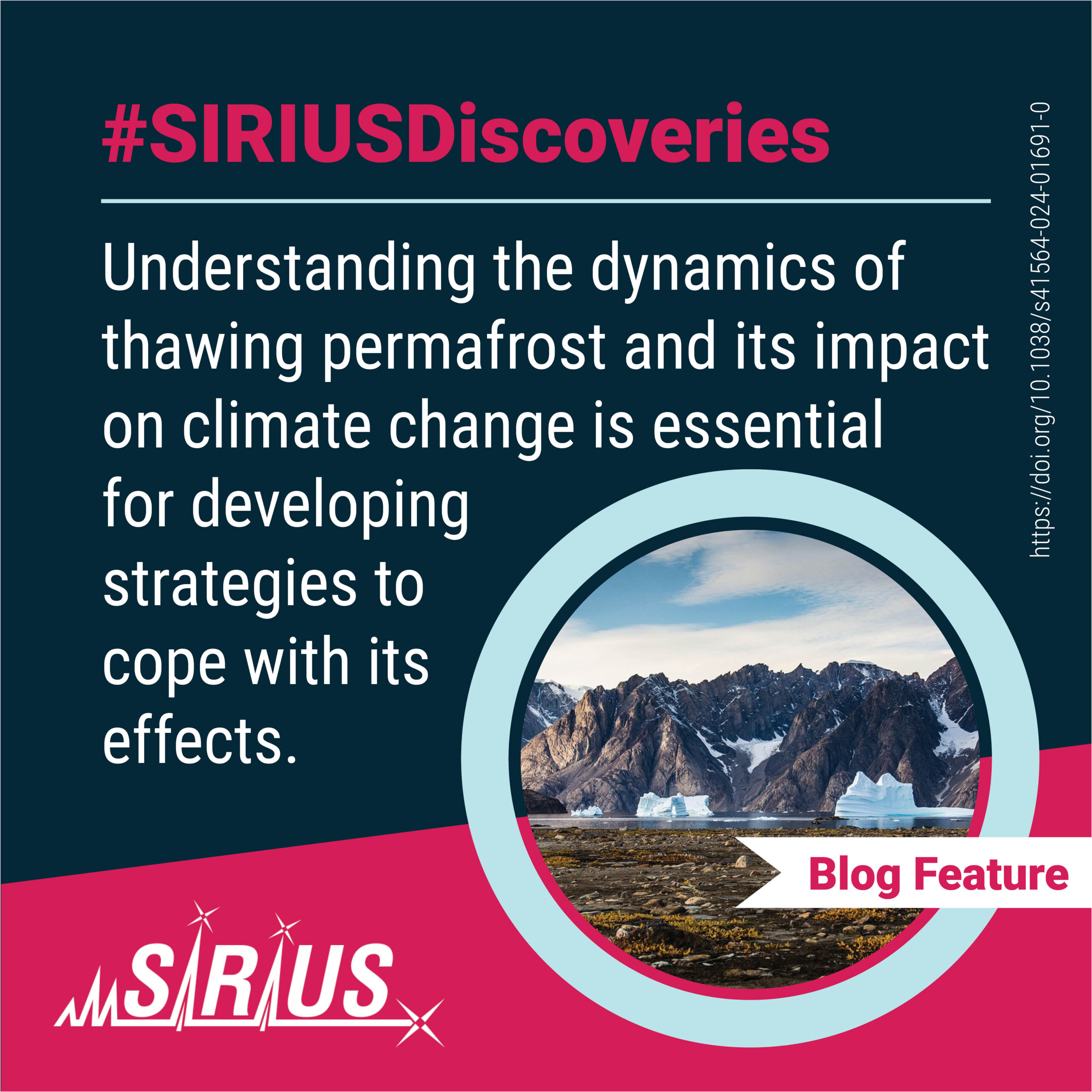
Assessing the consequences of thawing permafrost

Thawing permafrost, caused by climate change, releases stored carbon into the atmosphere, accelerating global warming. The enzyme latch hypothesis suggests that low-oxygen conditions in wetlands slow down enzymatic polyphenol degradation and carbon release. But are oxygen-dependent phenol oxidases really the only enzymes that microbial communities have in their arsenal? Or should we perhaps take a closer (metatranscriptomic and metabolomic) look at the microbially catalysed carbon cycle?

Read the full blog post.

B. B. McGivern et al. Nat. Microbiol. (2024) doi: 10.1038/s41564-024-01691-0

Join us at ASMS 2024!

Take the opportunity to engage with our team during the poster session on Monday (Poster MP 419), the “Informatics: Metabolomics and Lipidomics” session on Tuesday morning or the workshop “Spectral Libraries for the Masses” on Tuesday afternoon.

And don’t miss to visit our Bright Giant booth 353 to experience live demos of SIRIUS and consult with our expert team.

SIRIUS 6 out now!

We are thrilled to announce the release of SIRIUS 6 introducing new features to enhance your mass spectrometry analysis of small molecules: seamless integration of spectral library search, MSNovelist, redefined COSMIC confidence score, dark mode, new API with pre-built toolkits, faster molecular formula identification, and new molecular fingerprint.

Experience the cutting-edge advancements of SIRIUS 6 and take your MS analysis of small molecules to the next (untargeted) level!

Download SIRIUS now!

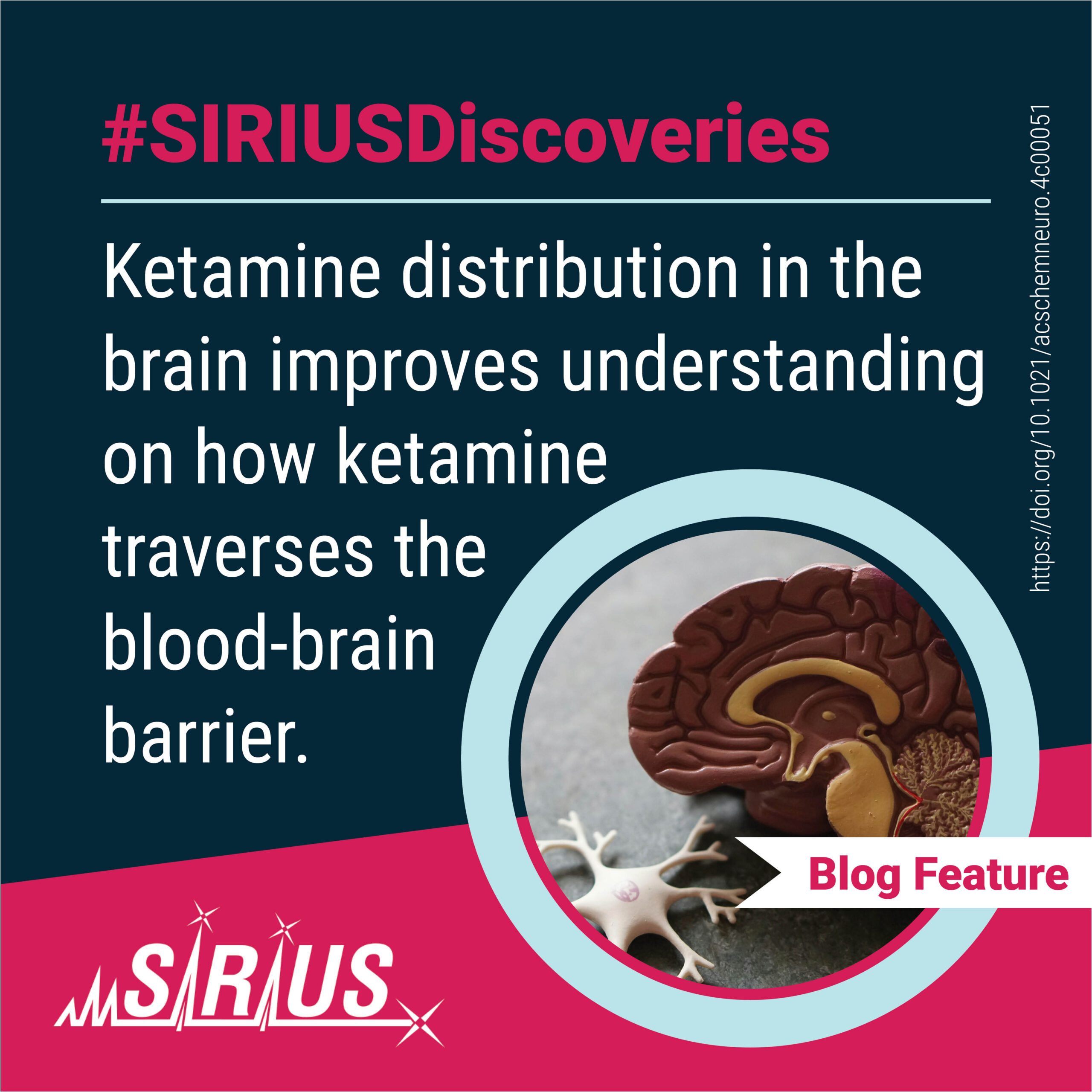
Understanding Ketamine drug metabolism in the brain

Ketamine is known for its dual role as an anesthetic and an emerging antidepressant. Despite its long-standing clinical use, the metabolic pathways and pharmacokinetics of ketamine remain poorly understood. A study of ketamine metabolism in the pig brain using SIRIUS provides valuable insights into the distribution of ketamine and its metabolites in different areas of the brain.

Read the full blog post.

T. Vallianatou et al. ACS Chem. Neurosci. (2024) doi: 10.1021/acschemneuro.4c00051

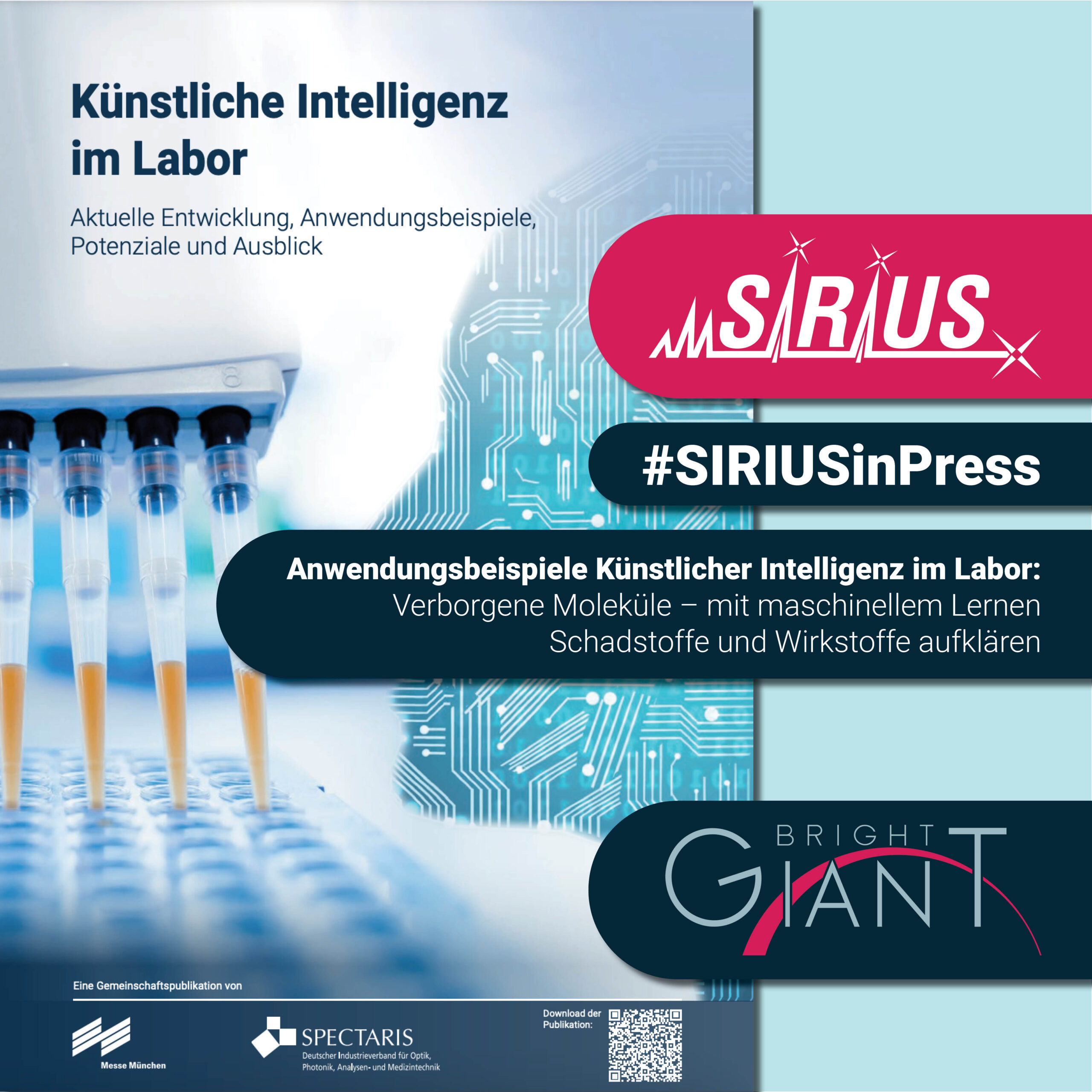
Künstliche Intelligenz im Labor

Unsere Software SIRIUS ist eines der Anwendungsbeispiele Künstlicher Intelligenz im Labor, die auf der Analytica 2024 in der SPECTARIS Studie über die aktuellen Entwicklungen, Potenziale und Ausblicke von KI im Labor vorgestellt wurden.

SIRIUS ist eine Softwarelösung zur automatischen Strukturaufklärung unbekannter Moleküle und leistet einen wertvollen Beitrag zur Entdeckung neuer Wirkstoffe und zur Identifizierung von Schadstoffen und Verunreinigungen.

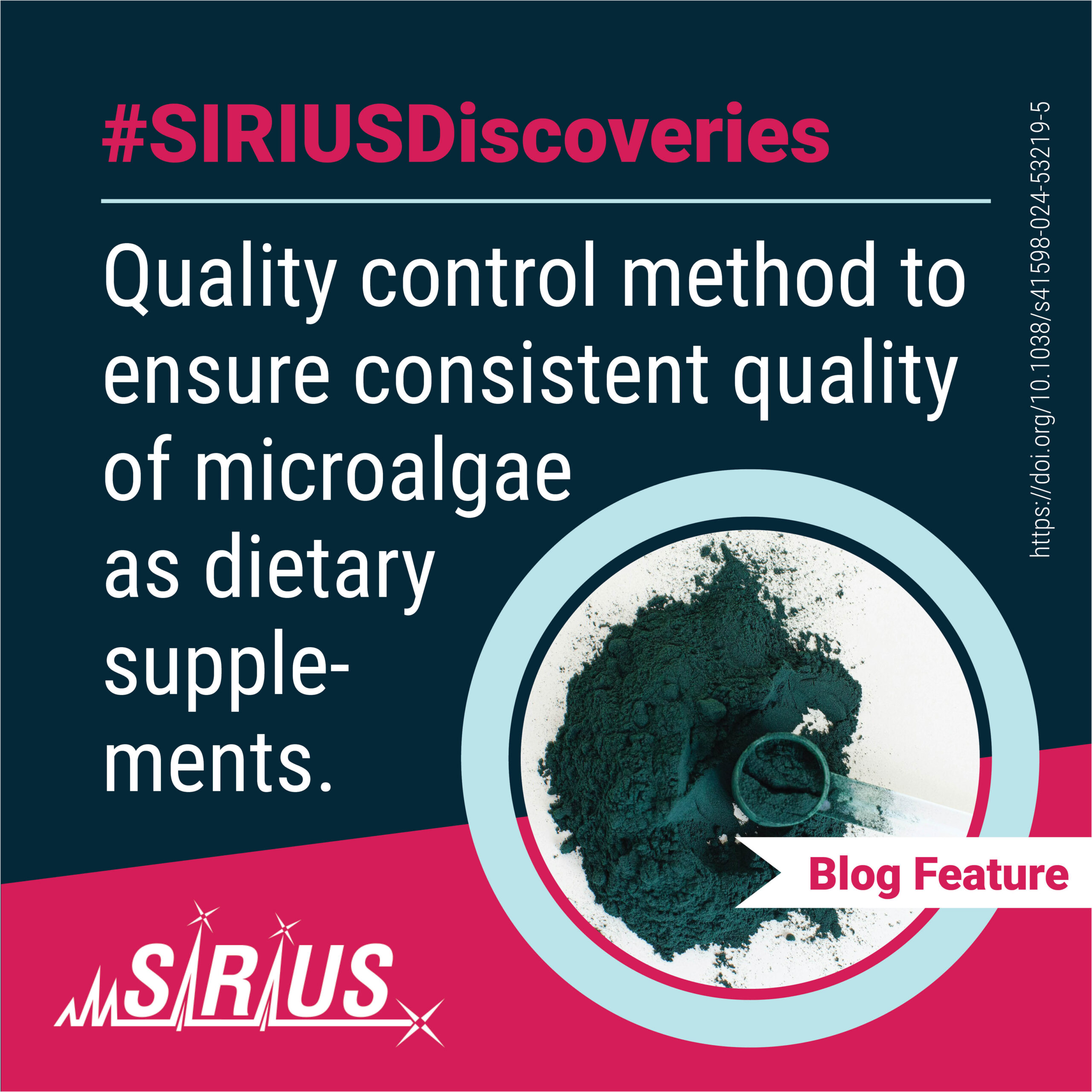
Quality control of Spirulina nutrient profiles

Microalgae, such as Spirulina, are promising sources of sustainable nutrition with rich nutrient profiles. Ensuring consistent quality of microalgae as dietary supplements requires a quality control method reporting about their chemical composition. Mass spectrometry-based metabolomics coupled with SIRIUS helps identifying primary and secondary metabolites with potential health benefits, including free fatty acids, polar lipids, and pigments.

Read the full blog post.

N. Hegazi et al. Sci. Rep. (2024) doi: 10.1038/s41598-024-53219-5

Join us at Analytica 2024!

As a leader in untargeted small molecule mass spectrometry, we’re excited to showcase our identification software SIRIUS. At our booth you can expect live demos of SIRIUS, one-on-one consultations with our experts, exclusive insights into upcoming developments, and discussions about future perspectives and fields of application. Be sure to visit us in Hall A1 at Booth 129B.

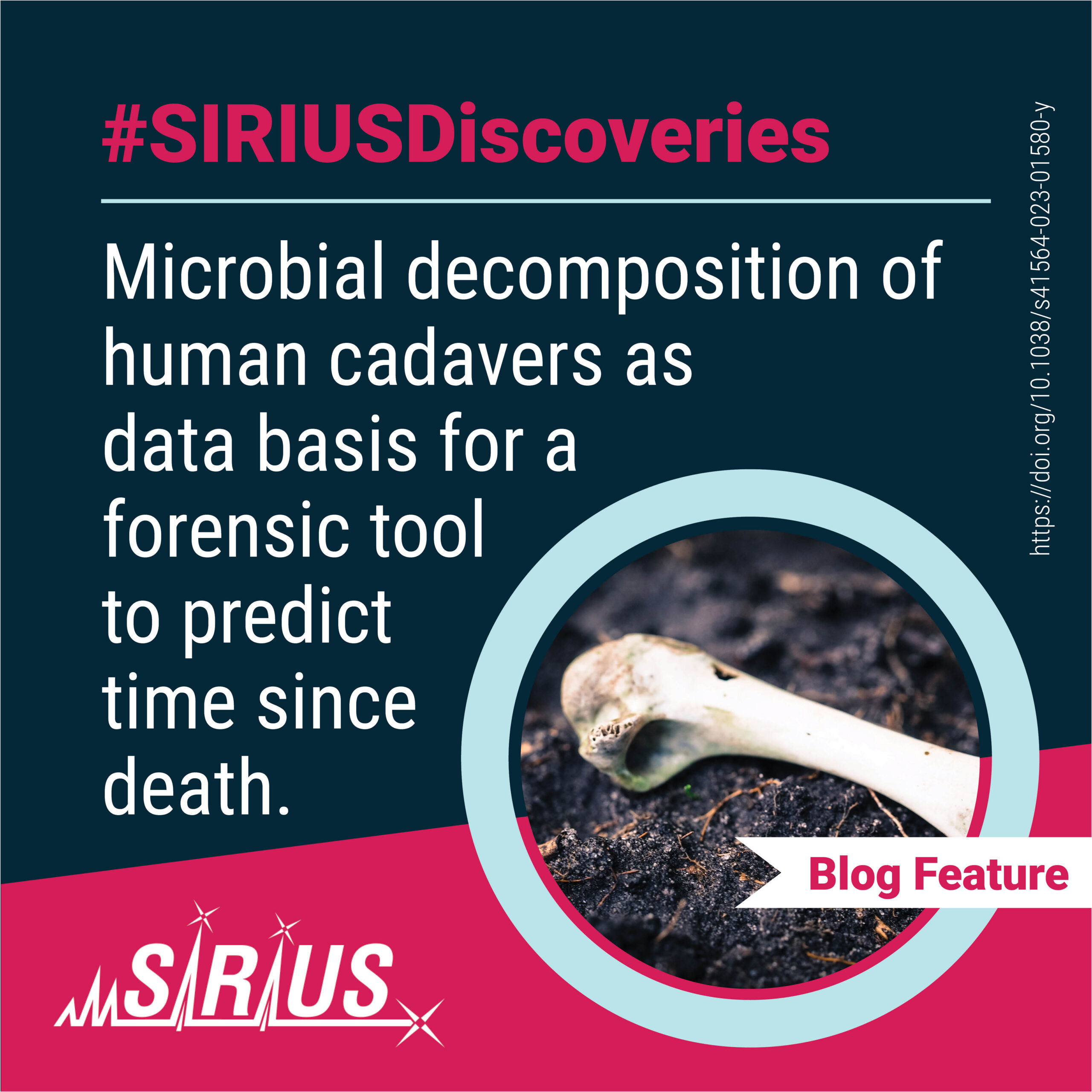
SIRIUS on the body farm: Investigating microbial decomposers

Microbial decomposers break down human remains, recycling nutrients and influencing ecosystem dynamics. Is there a universal microbial decomposer network that assembles in response to mammalian remains? How does the network and the cadaver-derived nutrient pool change during the decomposition process and can this microbial community change be used for predicting time since death for forensic purposes?

Read the full blog post.

Z. M. Burcham et al. Nat. Microbiol. (2024) doi: 10.1038/s41564-023-01580-y

OpenMS 3 interfaces with SIRIUS

OpenMS 3 provides interfaces with SIRIUS for molecular formula and and molecular structure predictions.

OpenMS is an open-source project that boasts a comprehensive set of algorithms, modular tools, and seamless interoperability with open-standard file formats, ensuring flexibility and ease of integration into existing workflows.

J. Pfeuffer et al. Nat Methods (2024). 10.1038/s41592-024-02197-7

Fungal degradation of antibiotics investigated with SIRIUS

Antibiotics are crucial for fighting bacterial infections, but the rise of antibiotic resistance poses a serious threat to public health. Beyond healthcare, the presence of antibiotic residues in wastewater exacerbates the problem. Conventional treatment methods often fall short in adequately removing these compounds, perpetuating resistance. Biological processes, such as biotransformation by fungi, have emerged as promising alternatives. Researchers investigated the potential of fungi to transform antibiotics, using SIRIUS and CSI:FingerID to identify degradation products.

Read the full blog post.

A. Ben Ayed et al. Ecotoxicol. Environ. Saf. (2024) doi: 10.1016/j.ecoenv.2023.115808

Digital Summit 2023 in Jena

In November 2023, the Digital Summit took place in Jena, Germany, and with it a supporting programme with more than 100 exciting lectures & workshops on the topics of digitalisation and digital transformation.

The recordings are now online, including our presentation:
Verborgene Moleküle – mit maschinellem Lernen Schadstoffe und Wirkstoffe aufklären
(in German only)